
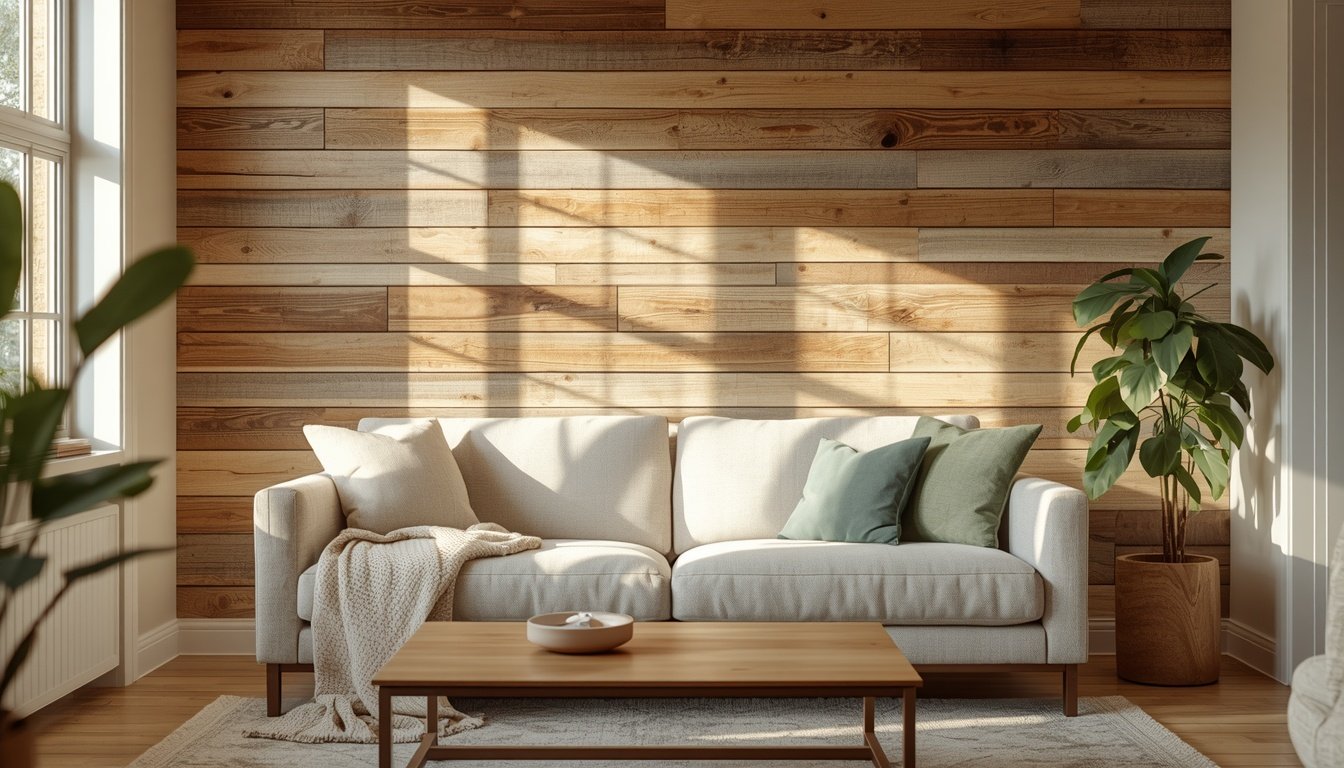
A plain painted wall can make a nice room feel like something is missing. If the room you are in lacks personality, a wood accent wall can completely change how it feels without having to redo the whole room. A lot of people are using reclaimed wood because it has an old-fashioned look, looks modern, and is good for the earth.
It does not cost too much, and it has a unique look. You can use wood to build a wall in your living room, or create a stylish wall with wood trim. There are many ways to use wood to make a wall that people will notice.
You might like a look with wood, a warm look with wood trim, or a bold look with a fun design. The best ideas for wood walls are not just nice to look at; they also make the room feel warm and cozy. They help you use wood in fun, creative ways that feel real and inviting, and that will last a long time.
Wood accent walls are a way to make your room feel special, and the right one can completely change its mood. Keep reading to discover some cool wood accent wall ideas that will make your wood wall stand out.
Table of Contents
What Makes a Modern Cottage Style So Popular?

Modern cottage style feels warm, relaxed, and effortlessly inviting without looking cluttered. It blends timeless charm with clean, practical design, making it one of the most loved interior trends for today’s homes.
- Cozy yet minimal: Focus on comfortable furniture, open layouts, and simple décor that creates a welcoming atmosphere without unnecessary clutter.
- Natural textures: Layer wood paneling, woven fabrics, stone, linen, and wall panels to bring depth and authentic texture into every room.
- Neutral color palette: Soft whites, warm beige, sage green, and earthy shades pair beautifully with the natural wood tone of a wood wall.
- Vintage meets contemporary: Mix antique furniture with modern lighting and sleek accents to create balanced, timeless spaces.
- Organic materials: Use wood, natural fibers, and handcrafted décor for a lived-in feel that never goes out of style.
- Why reclaimed wood fits perfectly: A reclaimed wood wood accent wall instantly adds warmth while creating a beautiful focal point.
- Authentic texture: Every board showcases distinctive grain, knots, and natural markings that make each wooden feature wall unique.
- Weathered finishes: Aged surfaces bring soft rustic character that complements both modern and traditional interiors.
- Warm visual contrast: Pair dark reclaimed boards with light paint, shiplap, or an accent wall with wood trim for striking balance.
- Handmade charm: Features like accent wall wood strips, a wood trim accent wall, or a wood design accent wall create custom details that elevate wood accent walls.
Why Choose Reclaimed Wood for Accent Walls?
A reclaimed wood accent wall offers far more than visual appeal. It combines sustainability, affordability, and timeless character, making it a smart choice for homeowners who want beautiful spaces with lasting value.
- Reduces waste: Reusing old lumber keeps valuable materials out of landfills and extends the life of quality timber.
- Reuses old timber: Barn wood, factory beams, and salvaged planks gain a second life as stylish wood accent walls.
- Eco-friendly remodeling: Choosing reclaimed wood reduces demand for newly harvested lumber and supports environmentally responsible renovations.
- Every board has unique grain: No two pieces are identical, giving every wood wall rich texture and natural beauty.
- Natural imperfections create character: Knots, nail holes, weathering, and color variation make each wooden feature wall feel authentic.
- Works with rustic and modern interiors: From farmhouse to Scandinavian spaces, reclaimed boards blend seamlessly with a range of styles.
- Salvaged lumber: Often costs less than premium hardwood while delivering distinctive personality.
- Reclaimed barn wood: Ideal for creating a stunning focal feature with warm wood tone and genuine rustic appeal.
- DIY-friendly options: Install wall panels, wood panels, accent wall wood strips, or combine an accent wall with wood trim for a custom look.
- Faux reclaimed wood alternatives: Lightweight panels and engineered products provide similar style for easier installation.
Planning Your DIY Wood Accent Wall
The best DIY projects begin long before the first board is installed. A little planning helps you avoid costly mistakes, achieve a cleaner finish, and create a feature that truly complements your home.
From selecting the perfect location to calculating materials and setting a realistic budget, every decision shapes the final result.
Whether you’re working with natural, weathered, or reclaimed wood planks, thoughtful preparation makes your wall design look professionally crafted.
Choosing the Right Wall
- Living room focal wall: Turn a blank TV wall into a stunning feature wall using wood wall panels or a modern wood slat wall that highlights the natural wood grain.
- Bedroom headboard wall: Install a wood slat or modern wood backdrop behind the bed to create a warm, relaxing atmosphere.
- Entryway: Make a memorable first impression with vertical wall paneling that adds texture without overwhelming the space.
- Dining room: Frame the dining area with reclaimed wood planks to create a cozy setting for everyday meals and gatherings.
- Home office: Add depth and character with a clean wall design that looks professional during video calls.
- Gallery wall: A wood backdrop enhances framed artwork and family photos while adding visual interest.
- Laundry room: Even smaller spaces can feel more inviting with durable wood wall panels and subtle natural finishes.
Measuring the Wall
Measure the height and width of your chosen wall carefully, then multiply the dimensions to calculate the total square footage. Don’t forget to account for windows, doors, outlets, and trim that reduce the installation area. Accurate measurements help you order the right amount of material and minimize unnecessary waste.
Estimating Materials
Determine how many boards or panels you’ll need based on your chosen layout, whether it’s horizontal, vertical, or a wood slat wall pattern. It’s also wise to purchase an extra 10–15% of material to cover cuts, mistakes, or future repairs.
Budget Planning
Set a realistic budget before shopping for supplies. Include the cost of reclaimed or natural wood, fasteners, adhesive, finishes, tools, and safety equipment. Planning ahead allows you to prioritize quality materials without overspending.
Safety Considerations
Always wear safety glasses, gloves, and a dust mask when cutting or sanding wood. Inspect reclaimed lumber for hidden nails, staples, or damage before installation. Using the proper tools and following safe working practices ensures your DIY project is both successful and safe from start to finish.
Tools & Materials You’ll Need
Before you create a wood accent wall, gather all the tools and materials you need to ensure a smooth, efficient installation. Proper preparation saves time, improves accuracy, and helps you achieve a durable, professional-looking wooden wall.
- Reclaimed wood boards: Choose solid wood or reclaimed boards for a barn wood accent full of warmth and character.
- Measuring tape: Measure your interior wall accurately before cutting materials.
- Stud finder: Locate wall studs for secure installation.
- Level: Keep every board perfectly straight.
- Nail gun: Speed up installation with clean, secure fastening.
- Construction adhesive: Add extra holding strength.
- Circular saw: Cut long boards precisely.
- Miter saw: Create accurate angle cuts.
- Sandpaper: Smooth rough edges while preserving rich wood texture.
- Safety glasses: Protect your eyes during cutting and sanding.
- Gloves: Improve grip and protect your hands.
- Wood filler: Fill small gaps or nail holes.
- Finish or sealant: Protect the surface and enhance the natural color, whether you’re building a wood headboard, board-and-batten, black wood, or a wood-cladding feature.
Step-by-Step DIY Installation Guide
A successful DIY accent wall comes down to careful preparation and attention to detail. Follow these steps to create a wood accent wall that looks clean, durable, and professionally installed.
- Step 1 – Prepare the wall: Clean and repair the interior wall, ensuring the surface is dry, smooth, and ready for installation.
- Step 2 – Locate studs: Use a stud finder to mark framing for secure attachment, especially when using solid wood or wood cladding.
- Step 3 – Plan board layout: Arrange boards first to balance colors, rich wood tones, and patterns before fastening them.
- Step 4 – Cut boards: Measure twice and cut carefully for tight-fitting joints on every wooden wall section.
- Step 5 – Install first row: Start with a perfectly level base to keep every board aligned.
- Step 6 – Continue upward: Work row by row, checking spacing and alignment throughout the installation.
- Step 7 – Trim edges: Finish the corners and edges neatly for a polished appearance that complements board-and-batten, a wood headboard, or a barn-wood accent feature.
- Step 8 – Finish and seal: Apply a protective finish to preserve the wood and enhance its natural beauty, whether using black wood or lighter finishes for added warmth and character.
- Beginner mistakes to avoid: Skipping wall preparation, ignoring stud locations, making inaccurate cuts, rushing installation, using uneven spacing, or forgetting to seal the finished surface.
15 DIY Reclaimed Wood Accent Wall Ideas for Every Room
1. Rustic Horizontal Plank Wall
- Best room: Living room
- Difficulty level: Beginner-friendly
- Estimated budget: $150–$400

Horizontal planks are the most classic way to bring real wood into a modern living room without overcomplicating the install. Reclaimed boards in varying widths create natural movement across a large wall, giving the space instant texture and warmth.
This style works especially well as a backdrop for a sectional or media console, anchoring the living room design without competing with furniture. Choose boards with visible grain, nail holes, or saw marks left intact; these imperfections are what sell the reclaimed look.
Styling tip: keep the rest of the room’s palette neutral (linen, cream, soft gray) so the wood itself becomes the visual statement rather than fighting for attention.
2. Vertical Slat Accent Wall
- Best room: Bedroom or living room
- Difficulty level: Beginner to intermediate
- Estimated budget: $200–$450

Thin accent wall wood strips installed vertically make ceilings feel taller and rooms feel more architectural a trick often used to modernize a plain modern wall. Unlike wide planks, slats have a cleaner, more tailored look that suits both cottage and contemporary spaces equally well.
Spacing is key here: even, consistent gaps between strips create rhythm, while uneven spacing can look accidental rather than intentional. This style pairs beautifully with a platform bed or a low media console.
Styling tip: stain the slats a single warm tone rather than mixing colors, so the vertical lines read as one cohesive wall of wood rather than a patchwork.
3. Chevron Reclaimed Wood Design
- Best room: Living room or dining room
- Difficulty level: Advanced
- Estimated budget: $350–$700

For homeowners wanting a true wood statement, chevron patterns turn a plain wall into the room’s focal point. This geometric wood accent wall style requires precise angle cuts, so it takes more time and skill than a straight-plank layout, but the payoff is a striking, boutique-hotel-level finish.
Reclaimed wood adds extra character here, as the mismatched grain and coloring naturally emphasize the zigzag pattern. This is a great option if you want a modern wood accent that still nods to rustic, handcrafted charm.
Styling tip: Use a single wood tone throughout the chevron so the pattern itself, not competing colors, carries the visual weight.
4. Herringbone Feature Wall
- Best room: Living room or home office
- Difficulty level: Advanced
- Estimated budget: $400–$750

Herringbone takes the angled-cut concept of chevron and offsets it further, creating a more intricate woven appearance. Built from real wood offcuts or reclaimed flooring boards, this design brings serious wood texture to a custom wood accent wall that feels tailored rather than off-the-shelf. It’s a labor-intensive layout.
So budgeting extra time (and a few miscut boards) is wise for first-timers. Herringbone works best on walls with good natural light, since the pattern’s depth is best appreciated when shadows fall across the angled joints.
Styling tip: keep surrounding trim and baseboards simple and white so the herringbone pattern remains the room’s clear centerpiece.
5. Whitewashed Cottage Wall
- Best room: Bedroom
- Difficulty level: Beginner
- Estimated budget: $150–$350

For a soft, airy take on wood finishes, whitewashing lets the grain show through a translucent white or cream wash rather than covering it completely. This is one of the easiest updates for a bedroom accent wall, especially behind a wood headboard wall, where you want warmth without a heavy, dark presence.
Whitewashed wood pairs naturally with white walls elsewhere in the room, keeping the space bright while still adding dimension. It’s an ideal choice for smaller bedrooms where a dark reclaimed wall might feel closing-in.
Styling tip: layer in linen bedding and woven textures nearby to add warmth and character without adding visual heaviness.
6. Mixed-Tone Reclaimed Wood Panels
- Best room: Living room or family room
- Difficulty level: Intermediate
- Estimated budget: $250–$550

Mixing multiple wood tones within a single wood-panel accent wall is one of 2026’s most popular reclaimed-wood techniques, and it’s a great way to use reclaimed barn wood from several different origins without needing a perfectly matched batch.
Blending light, medium, and dark boards creates depth and a collected-over-time feel that suits a modern cottage aesthetic perfectly. This approach is also more forgiving for DIYers, since imperfect color matching can actually strengthen the design rather than ruin it.
Styling tip: Distribute the darkest boards evenly across the wall rather than clustering them, so the natural wood tones feel balanced instead of blotchy.
7. Dark Walnut Modern Cottage Wall
- Best room: Living room
- Difficulty level: Intermediate
- Estimated budget: $300–$600

For a moodier, more sophisticated take on cottage style, a walnut wood accent wall brings rich, dark tones that pair beautifully with brass fixtures and warm lighting.
Achieving this look often means applying a deep wood stain to reclaimed pine or oak rather than sourcing walnut, which keeps the project budget-friendly.
This style delivers a distinctly modern look while still feeling grounded and natural rather than cold. It works especially well as a backdrop for a fireplace or built-in shelving.
Styling tip: Balance the dark wall with lighter furniture and metallic accents so the room doesn’t feel visually heavy or cave-like.
8. Gray Weathered Barn Wood Wall
- Best room: Living room or den
- Difficulty level: Beginner to intermediate
- Estimated budget: $200–$450

Weathered gray boards sourced from reclaimed barn wood bring an authentic, sun-bleached character that’s difficult to replicate with new lumber. This style leans harder into rustic farmhouse roots while still fitting a modern cottage palette thanks to its muted, neutral coloring.
A light wood stain or clear sealant can be added to protect the wood without masking its naturally faded look. It’s a popular choice for dens and reading rooms where a cozy, lived-in feel is the goal.
Styling tip: Pair the gray tones with black metal hardware or fixtures to sharpen the look and add texture and warmth without losing the rustic edge.
9. Minimal Scandinavian Wood Wall
- Best room: Bedroom or living space
- Difficulty level: Beginner
- Estimated budget: $150–$350

For homeowners who want wood texture without a busy, rustic feel, a pale, evenly spaced plank wall in a clean, modern style delivers a Scandinavian-inspired calm. This approach favors light woods like ash or birch-toned reclaimed boards, kept simple with minimal knots or distressing.
It’s an excellent fit for a small living space or bedroom where the goal is subtle wood texture rather than a bold focal point. Unlike heavily rustic styles, this one leans toward quiet sophistication.
Styling tip: Keep the wall unfinished or matte-sealed rather than glossy, and surround it with soft neutral textiles for a serene, uncluttered feel.
10. Half-Wall Wood Panel Feature
- Best room: Dining room or hallway
- Difficulty level: Beginner
- Estimated budget: $150–$400

Rather than covering an entire wall, a half wall treatment applies wood paneling only to the lower portion, often finished with a top trim rail a modern take on traditional board and batten walls. This style is easier to install than a full wood panel accent wall, making it a good entry point for first-time DIYers.
It also protects lower walls from scuffs in high-traffic hallways or dining areas. The upper wall can be painted a complementary color to keep the space feeling layered but light.
Styling tip: Paint the upper wall a soft white or sage tone to let the reclaimed wood below feel like a deliberate design choice.
11. Ceiling-to-Wall Wood Continuation
- Best room: Living room
- Difficulty level: Advanced
- Estimated budget: $400–$800

One of the more dramatic reclaimed-wood trends is extending boards from the wall up and across the ceiling, creating true floor-to-ceiling wood coverage.
This continuous wall of wood treatment makes a room feel enveloped and cozy, and it’s especially striking in living rooms with vaulted or sloped ceilings.
Because it spans two planes, this project requires careful planning around lighting fixtures, vents, and structural beams. The result, however, is one of the most photograph-worthy features you can add to a modern living room.
Styling tip: keep furniture low-profile so eyes are drawn upward toward the wood’s dramatic ceiling transition.
12. Fireplace Feature Wall
- Best room: Living room
- Difficulty level: Intermediate to advanced
- Estimated budget: $300–$650

Framing a fireplace with reclaimed wood turns it into the undeniable heart of the room. A thick wood slab used as a mantel, paired with planked or paneled wood surrounding the firebox, creates a cohesive accent panel that feels custom-built rather than store-bought.
Because of heat exposure, it’s important to use fire-rated materials or maintain proper clearance per local building codes. This is one of the highest-impact placements for a large wall, since the fireplace naturally draws the eye.
Styling tip: Extend the wood slightly past the fireplace’s edges rather than boxing it in tightly, so the feature feels intentional and expansive.
13. Reading Nook Accent Wall
- Best room: Home office or den
- Difficulty level: Beginner to intermediate
- Estimated budget: $200–$450

A reclaimed wood wall behind a reading nook or window seat adds coziness while doubling as subtle sound dampening some homeowners even integrate acoustic panels disguised as wood slats for a quieter space.
Choosing the right wood here matters less for durability and more for warmth, since this is a low-traffic zone meant for comfort. Soft lighting against the wood grain creates an inviting, cabin-like atmosphere perfect for quiet evenings.
Styling tip: Add a wall-mounted reading lamp and a wool throw nearby to reinforce the nook’s cozy, textural feel without cluttering the wood’s clean lines
14. Entryway Statement Wall
- Best room: Entryway or foyer
- Difficulty level: Beginner to intermediate
- Estimated budget: $200–$500

First impressions matter, and an entryway accent wall built from reclaimed wood immediately signals warmth and character the moment guests step inside.
Some homeowners elevate this space further with 3D wood panels or 3D wall decor inserts that catch light differently throughout the day, adding subtle dimension to an otherwise narrow space.
This makes for a memorable wooden statement without requiring a large amount of square footage. Entryways are also a low-risk place to experiment with bolder patterns since the space is transitional rather than a long-term seating area.
Styling tip: Add a slim console table and a mirror to bounce light across the wood’s texture.
15. TV Feature Wall
- Best room: Living room
- Difficulty level: Intermediate
- Estimated budget: $250–$550

Mounting a television directly onto a reclaimed-wood wall creates a cleaner, more intentional modern wood accent than a bare drywall setup, while hiding cords and adding real texture behind the screen.
This layout has become one of the most requested updates in living room design, since it modernizes the TV wall without resorting to sterile floating shelves.
Cable management channels can be built into the wood panels themselves for a seamless finish. It’s a practical way to blend function and style in the room’s most-used wall.
Styling tip: Frame the TV with symmetrical wood panels on either side so the screen feels built-in rather than simply mounted.
Final Thoughts
A wooden wall is a great way to make a room feel cozy and inviting. It adds some texture. Makes the room feel like it has been around for a long time. You can make a wall with old wood look really modern and cute.
If you are just starting out, you can build a wall using white wooden pieces. If you are really good at DIY projects, you can make a fancy wall with a special pattern. The important thing is to pick a style that fits your room and your budget. You do not have to fix up your house to see a big difference.
Even just one wooden wall can make a room feel completely different. So start with something, and choose old wood with some character. Let the old wood speak for itself on your wall. Reclaimed wood accent walls are really nice. They can make your room feel warm and inviting.

Welcome to Homeblesh! I'm a professional content writer with over five years of experience creating well-researched, practical, and reader-focused content for clients on Upwork and Fiverr. Now, I've dedicated my expertise to building Homeblesh, where I share helpful guides, honest recommendations, and actionable tips based on careful research and industry knowledge. My goal is to provide accurate, trustworthy information to help you make informed decisions while delivering clear, useful, and easy-to-understand content.
- Muhammad Imran

- Muhammad Imran

- Muhammad Imran

- Muhammad Imran