
Most home damage does not start with a dramatic failure. It starts with a small leak, a blocked gutter, or a filter that was never cleaned. A seasonal routine catches those small problems while they are still cheap and simple to fix. This article gives you a checklist for spring, summer, autumn, and winter, with renter friendly options and clear limits on professional work.
You will learn what to check in each season, why the order matters, and which tasks suit renters without structural change. You will also learn when to stop and call a qualified professional, so safety stays first. Follow the list in order, and tick off only what you can do safely. This guide keeps each task practical and budget friendly.
Why Timing Matters
Timing turns maintenance from a chore into protection. Clearing gutters before heavy rain season helps water drain away from walls and foundations instead of pooling where it can cause damp. Servicing heating before cold weather means faults are found when you can still book a repair without urgency. Checking cooling before heat arrives gives you time to clean filters and book help if airflow is weak.
Seasonal checks also spread cost and effort across the year. A short list each season is easier to finish than one long annual list, and small purchases such as filters or batteries can be planned instead of bought all at once.
Spring: Recover From Winter and Prepare for Rain
Spring is the time to look for winter damage and prepare for wetter weather, starting outside where cold and rain leave the clearest signs.
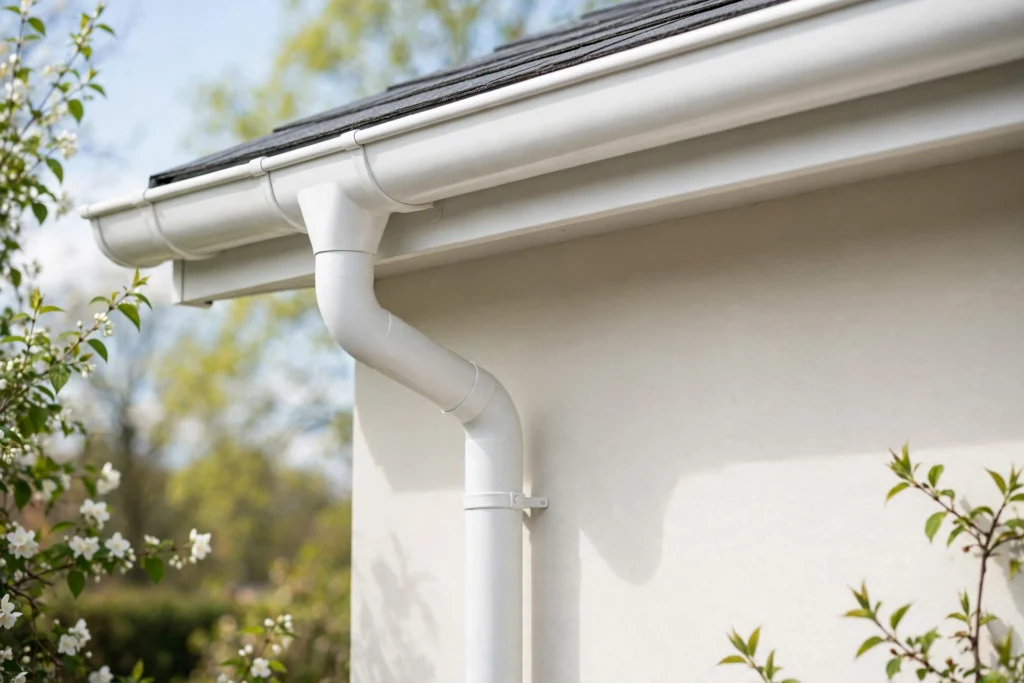
- Roof and exterior check: Look from the ground for slipped tiles, cracked render, damaged flashing, or loose gutter joints.
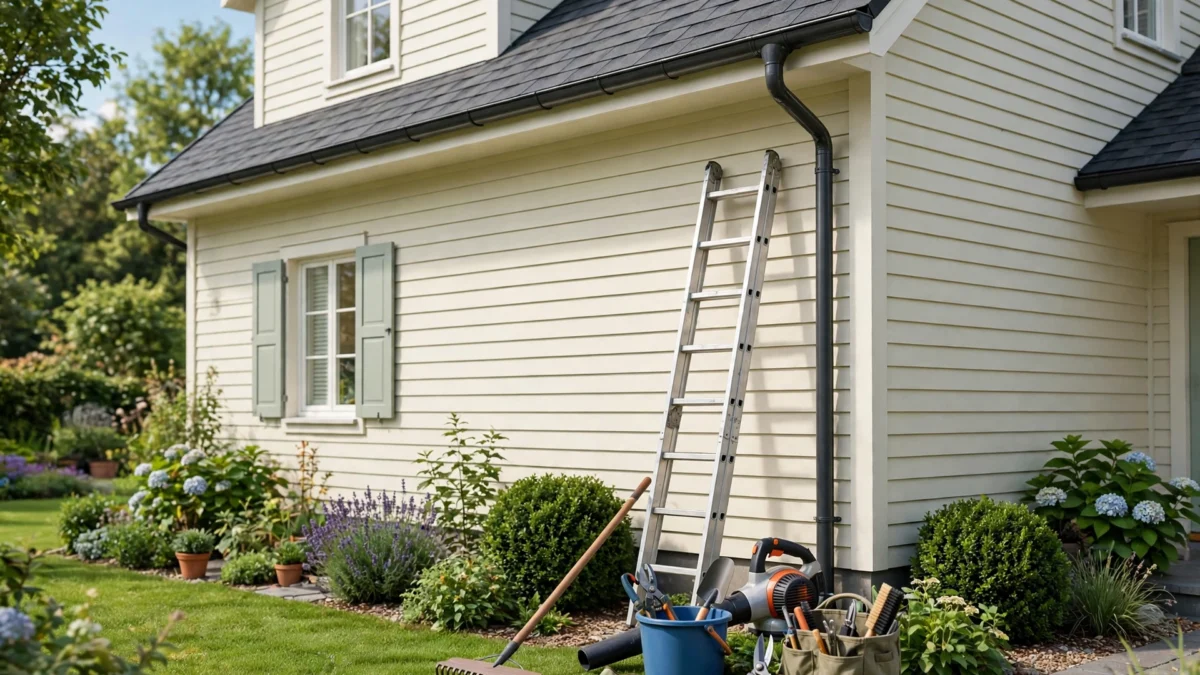
- Gutters and drainage check: Clear leaves and debris from gutters and downpipes, and check that water flows freely. Make sure downpipes direct water away from the base of the building.
- Sealing check: Walk around doors and windows and feel for draughts. Look for cracked sealant, worn weatherstripping, or gaps that let water in.
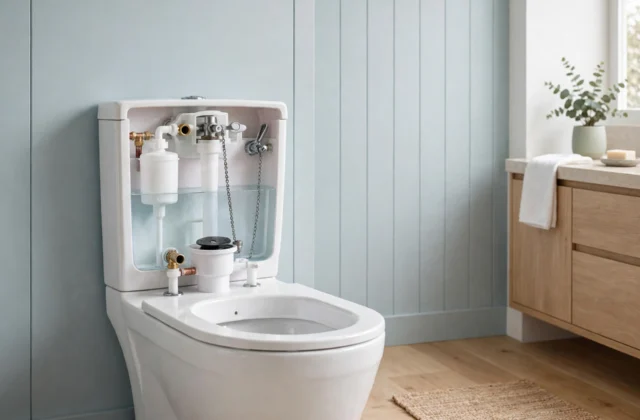
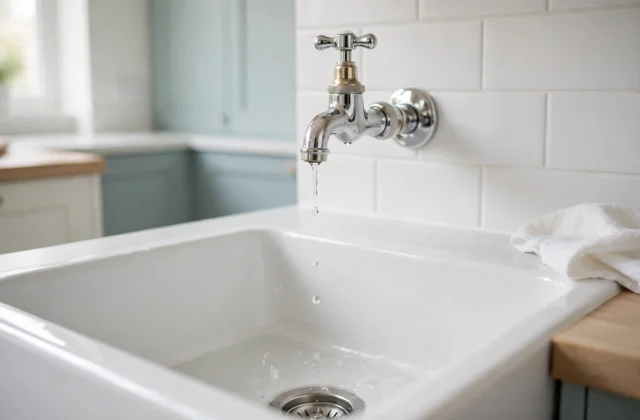
- Water check: Inspect under sinks, around toilets, and near washing machine connections for damp, drips, or staining.
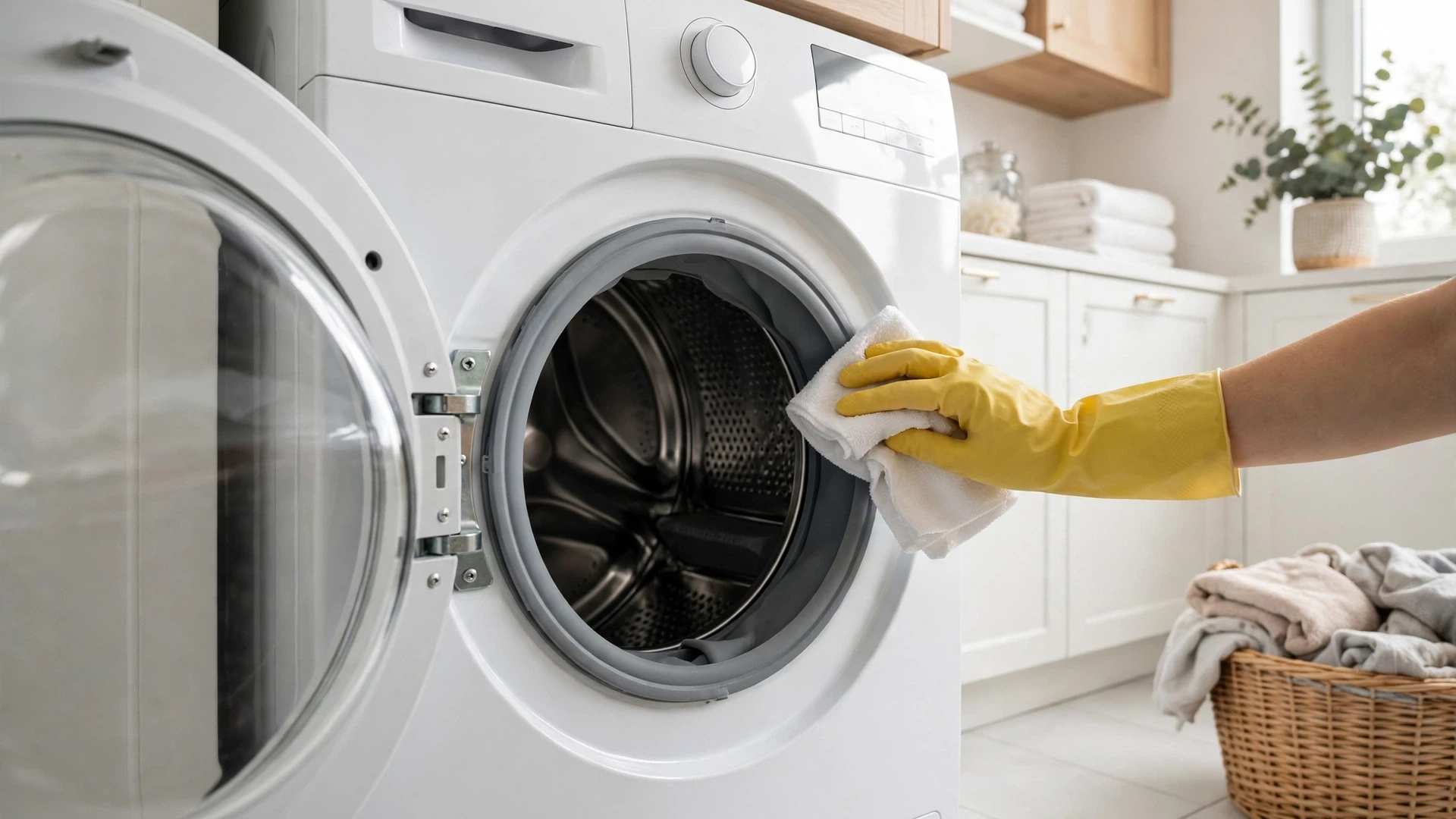
Inside, spring is a good time for appliance upkeep. Clean or replace filters as directed by the manufacturer, and check hoses for bulges, cracks, or loose fittings. Replace a worn hose before it fails. Test smoke alarms and carbon monoxide alarms, and replace batteries if your model uses them.
Summer: Cooling, Ventilation, and Outdoor Wear
Summer checks focus on heat, airflow, and outdoor surfaces. A cooling system that struggles in mild weather will often fail on the hottest days.
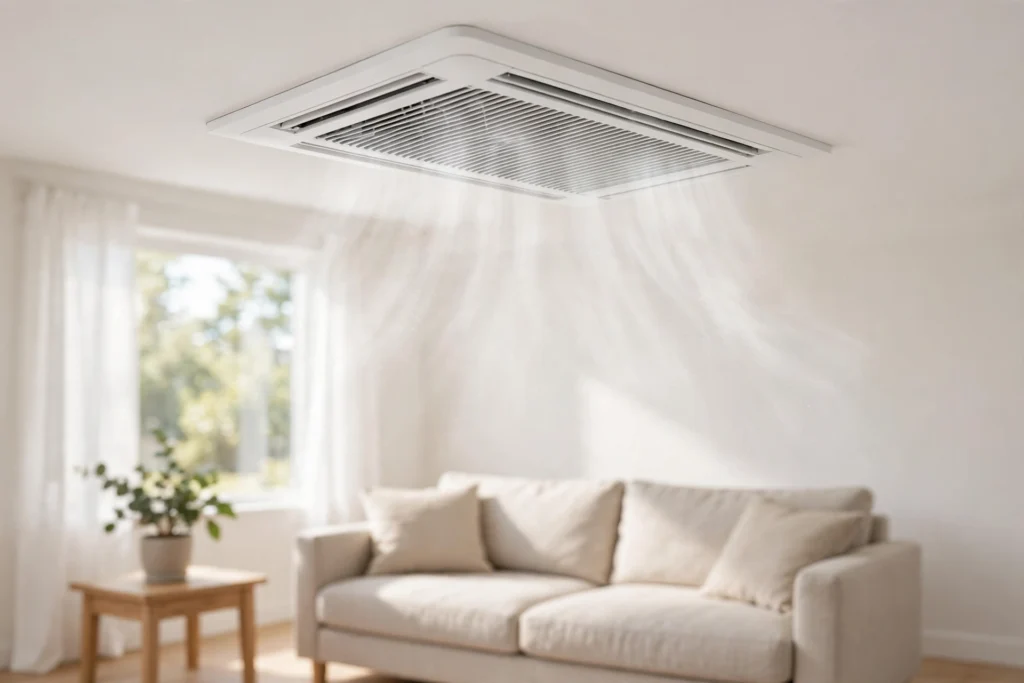
- Cooling check: Clean or replace filters, clear vents of dust and furniture blockages, and check that outdoor units have clear airflow around them.
- Ventilation check: Use extractor fans in kitchens and bathrooms, and check that vents are not blocked.
- Exterior check: Look for peeling paint, cracked sealant, and damaged decking or steps.
- Appliance check: Check refrigerator door seals for gaps, since a poor seal can make the appliance work harder.
For renters and apartment dwellers, summer checks need no structural change. Cleaning filters, clearing vents, and reporting cracked sealant or damaged communal areas to a landlord or building manager are all useful steps. Keep a short note of what you reported and when.
Autumn: Prepare Heating, Drainage, and Insulation
Autumn is the most important season for prevention. Rain often increases, and heating systems return to daily use after months of rest.
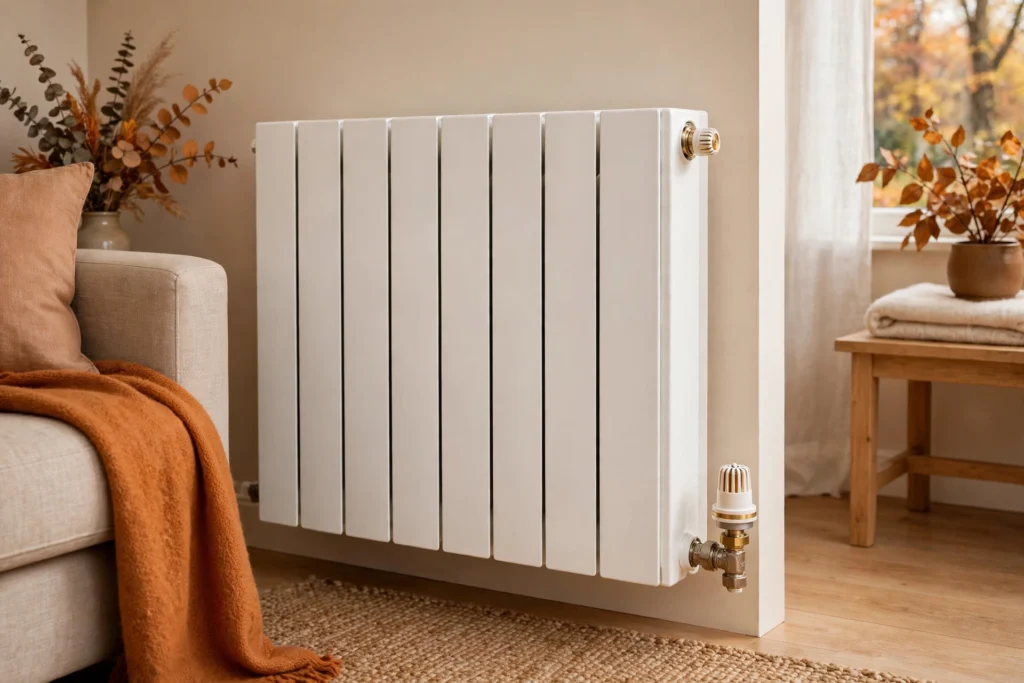
- Heating check: Book a heating service before cold weather arrives, and bleed radiators if your system allows it and your manual explains how.
- Gutter check: Clear gutters again after leaves fall, since autumn debris is a common cause of overflow. Check drains and gullies for blockages.
- Insulation and sealing check: Look for draughts around doors, windows, and letterboxes, and check loft or pipe insulation where you can reach it safely.
- Alarm check: Test smoke alarms and carbon monoxide alarms again, especially before heating is used heavily.
Autumn is also the time to check outdoor taps and exposed pipes. Drain and protect outdoor taps where your climate calls for it, and insulate pipes in cold, unheated spaces before frost arrives.
Winter: Protect Pipes, Heating, and Safety
Winter maintenance is mostly about monitoring and quick action. Cold snaps and heavy heating use can turn a small weakness into damage fast.
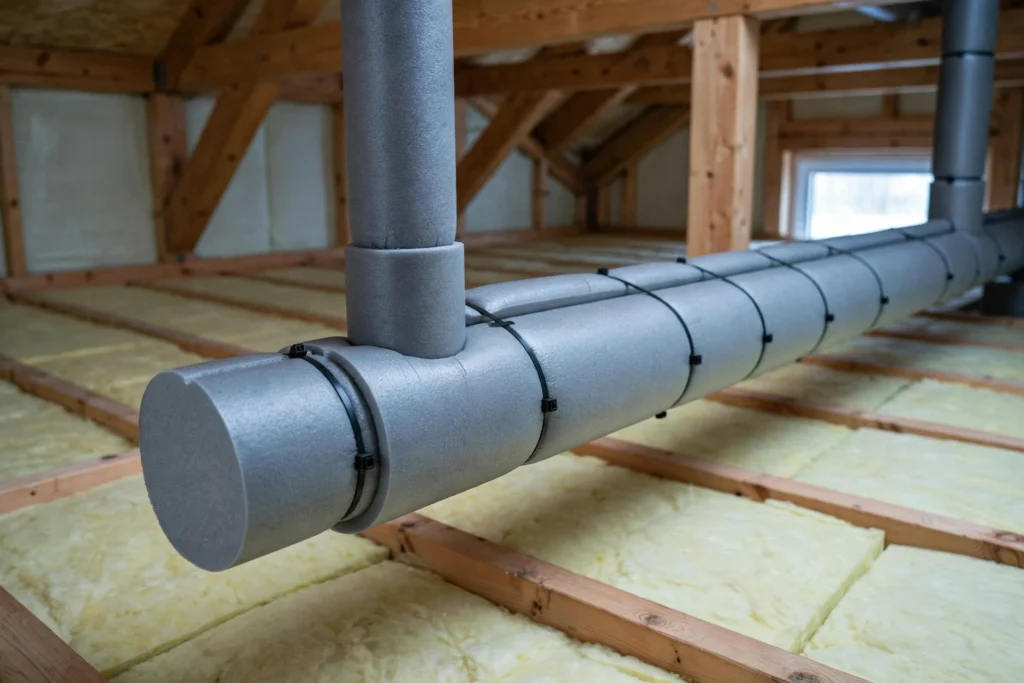
- Frozen pipe check: Keep an eye on pipes in lofts, garages, and near exterior walls during cold spells, and follow local guidance for your system.
- Leak check: Check under sinks, around radiators, and near ceilings after storms or thaws. Stains, bubbling paint, or a sudden drop in heating performance can point to a leak.
- Heating check: Watch for cold radiators, strange boiler noises, or repeated pressure drops. Do not open a boiler or adjust gas parts yourself.
- Safety check: Keep exits, heaters, and vents clear, and never block air vents to save heat.
If you leave the home empty in winter, ask someone you trust to check inside. A short visit can catch a leak or heating failure before it causes wider damage.
Renter Friendly Checks That Need No Structural Change
Renters and apartment dwellers can still prevent a lot of damage without altering the property, by focusing on checks, cleaning, and reporting.
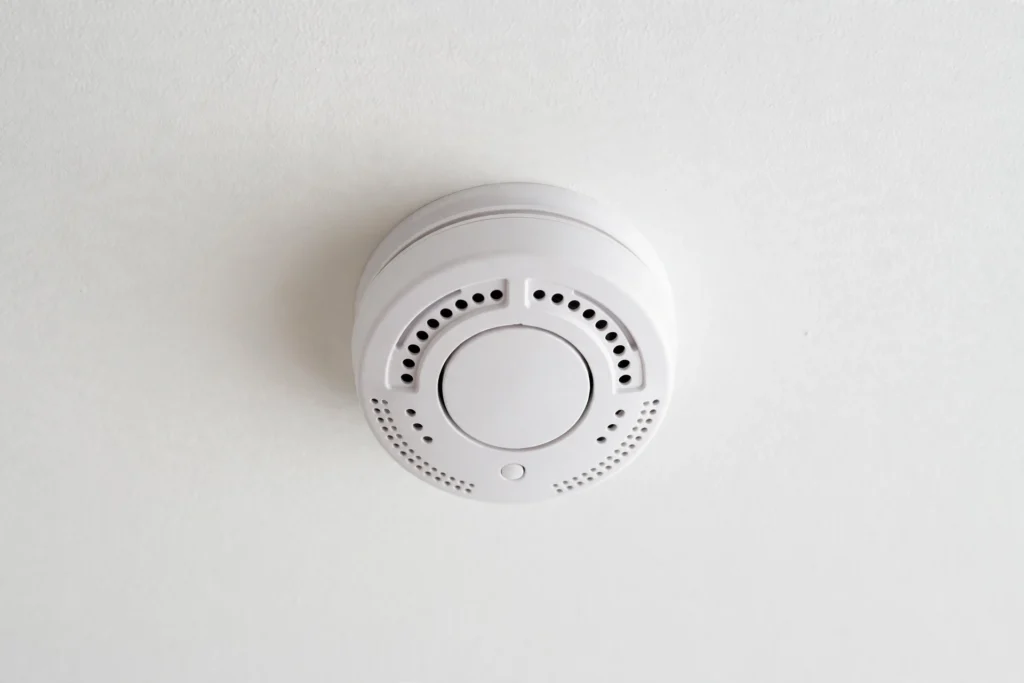
- Alarm check: Test alarms and report a faulty unit promptly, rather than removing it.
- Filter check: Clean or replace filters you can reach, following the appliance manual.
- Leak check: Report drips, damp patches, or running toilets early, with a photo and the location.
- Ventilation check: Use fans, wipe condensation, and keep vents clear to reduce mould risk.
Get landlord permission before drilling, sealing, or changing fixtures, and report issues in writing.
When to Call a Qualified Professional
Some jobs belong to a professional, even for confident homeowners. Call a qualified person for gas work, electrical faults, structural concerns, and roof work needing a ladder or height access. Stop and call for help if you smell gas, notice burning smells, see water near electrics, or cannot inspect a roof safely from the ground.
Use safe ladder practice if you inspect anything at height, and hire help if you feel unsure or rushed. Follow manufacturer instructions and local codes for every task, and keep receipts and service records.
Frequently Asked Questions
How often should I test smoke and carbon monoxide alarms?
Test alarms at least monthly, using the test button and the instructions for your model. Replace batteries or the whole unit as directed by the manufacturer, since lifespans vary by type.
Do renters need to do seasonal maintenance?
Renters can test alarms, clean filters, check for leaks, and report faults early without structural change. Structural repairs, gas work, and electrical work remain the landlord’s or a qualified professional’s responsibility in most cases.
What is the single most useful autumn task?
Clearing gutters and booking a heating check are both high value, but if you can do only one, clear gutters before heavy rain and leaf fall block drainage. Overflowing gutters can affect walls and foundations.
When should I worry about a small leak?
Treat any ongoing drip, damp patch, or unexplained water mark as worth investigating promptly. Small leaks often grow slowly, and early repair usually costs less than waiting for visible damage.
Conclusion
A seasonal routine does not need to be long or expensive to work. Spring finds winter damage, summer keeps cooling and ventilation working, autumn prepares heating and drainage, and winter protects pipes and safety. Each season builds on the last, so problems are caught earlier and repairs stay smaller.
Start with the checks you can do safely today, such as testing alarms, clearing a vent, or looking under a sink. Report faults early if you rent, and call a qualified professional for gas, electrical, or roof work. Keep your list short and repeat it each year.
Keep a simple record of each check, including dates and any faults you reported. That record makes the next season faster, and it helps a professional understand what has already been checked. A little attention four times a year protects comfort, safety, and value.
Sponsored · RecommendedSomething worth a look before you goHandpicked for HomeBlesh readers. Tap to explore it.Explore Now