Historically, interior design has imposed upon homeowners an impossible choice between two anxiously contrasting design styles: cold, sterile, very clinical-looking spaces (i.e., true minimalism) and an explosion of dazzling, beautifully disorganized ‘stuff’ (i.e., true maximalism).
If you desire to create an aesthetically serene, completely uncluttered environment in your home, yet also want to fill it with lots of amazing colors.
Your own unique style, and an abundance of your most beloved collections, then ‘Minimalist’ (the other names include warm or cozy minimalist) could be exactly what you will want.
If you want to find out more about achieving the ideal minimalist home decor, check out our complete guide. This resource has tons of ideas for creating a completely new aesthetic in your home.
OR simply adding a bit of cozy minimalist furniture to your existing living space. With the many tips in this guide, you can achieve an elegant, personalized look while keeping things as simple as possible.
Table of Contents
What is Minimalist? Understanding the Trend

The latest trend in interior design is called minimalism, which combines “peaceful and spacious” aesthetics with the “over-the-top” style of other design avenues.
The essence of minimalism is intentional restraint in decor and furnishings. Instead of crowding a room with many small accents or leaving it empty.
A designer chooses one or two pieces to be the focal point or “heroes” of the room, while leaving enough empty (negative) space around them.
“Many designers use this creative approach to designing a home with an emphasis on both ‘quiet base’ (the background) and ‘loud moments’ (the focus). This design style allows clients to showcase their treasured possessions and collectibles in a way that does not create an overwhelming visual experience.
According to leading professionals in Interior Design, creating a ‘minimalist’ and ‘homey’ atmosphere will give your home a blend of beauty and comfort through relative disorder (real life) without making it chaotic.
The Core Principles of a Minimalist Cozy Home
To successfully execute Minimalist Home Decor Ideas, you must understand the foundational rules of the aesthetic. By applying these guidelines, you can ensure your space remains harmonious rather than chaotic.
1. The 60-30-10 Color Rule
The knee-jerk reaction among decorators is to use too much color in a small space. To establish color in a small space, decorators always use the 60/30/10 rule of color distribution.
The way you divide and distribute the colors used to create a visually pleasing design scheme is also a necessary consideration. In a neutral color scheme, 60 percent will be composed of a neutral ‘primary’ color. 30 percent will be composed of a neutral ‘secondary’ color.
The remaining ten percent will incorporate a bold, saturated ‘accent’ color. Choosing warm, earthy neutral colors (such as beige or taupe) rather than stark whites will establish a soft 60% base, from which one can then build.
The use of subtle undertones (taupe, ecru, etc) will give your statement pieces the opportunity to be displayed in a dramatic fashion, against a picked base color. If you are trying to create an eye-catching minimalist interior design scheme, choose the color wheel as a starting point.
You can also choose to create an alternative look, either vibrantly using complementary colors (colors that lie opposite each other on the color wheel) or gently using analogous colors (colors that lie right next to each other).
2. Intentional Zoning and Negative Space
It can be challenging to figure out where to place things in a minimalist home. Creating specific zones for layering helps keep decoration to a minimum in other areas.
For instance, the mantelpiece, gallery wall, and bookshelves should be reserved for meaningful trinkets, books, and art, while high-traffic, hardworking surfaces like the kitchen counter, dining table, and dressers should remain free from any unnecessary decoration.
By doing this, you’ll create “breathing room” in your home as well. Maintaining spatial awareness is equally essential. You should always have 30-36 inches for walkways, and approximately 18 inches between a sofa and a coffee table. Negative space is required around each bold piece of furniture for it to be valuable.
A Room-by-Room Minimalist Cozy Home Tour
If you are looking for a minimalist cozy home tour to inspire your next renovation, here is how the minimalist aesthetic translates across different rooms in the house.
The Minimalist Living Room
The living room is where the minimalistic style truly shines. Start with a neutral wall color, like Benjamin Moore’s Edgecomb Gray or Farrow & Ball’s Purbeck Stone, to ground the space.
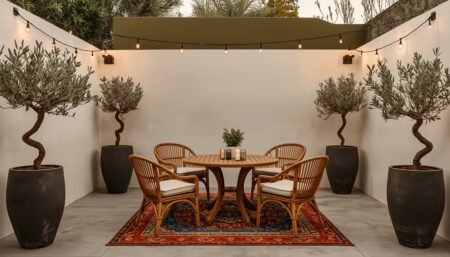
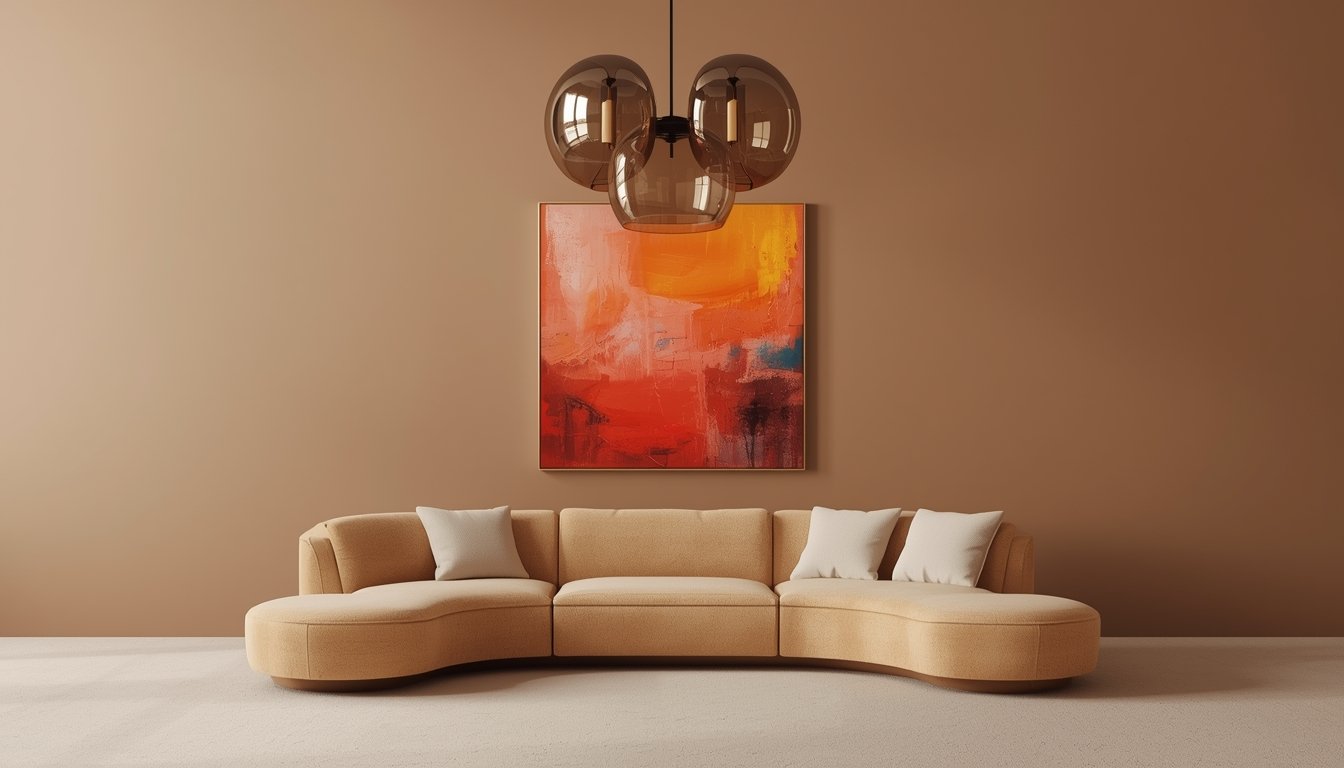
Instead of matching furniture sets, blend vintage pieces with contemporary shapes. An antique rug is a wonderful way to ground a minimalist living room, adding a dose of pattern to a plain floor. Limit your “loud” elements to one per zone—if you have a bold, sculptural chandelier, keep the rug simple.
The Kitchen and Dining Area
To bring minimalist cozy home decor into the kitchen, focus on high-quality, organic materials. A marble island or custom wooden cabinetry can instantly warm up a pared-back kitchen.
Keep the countertops entirely free of clutter to maintain that minimalist serenity, while adding character with architectural details like custom millwork or decorative molding. In the dining space, a single dramatic pendant light suspended over a clean-lined wooden table can act as the perfect “loud moment.
The Bedroom and Bathroom
In the bedroom, the goal is tranquility. Minimalism allows you to incorporate a statement piece of furniture like a striking four-poster bed or a vibrant upholstered headboard while keeping the rest of the room pared-back and restful.
In the bathroom, consider papering the walls above wainscot paneling. This injects an easy-to-live-with pattern into the space while keeping it feeling open and balanced.
6 Minimalist Home Decor Ideas to Elevate Your Space
Ready to transform your interiors? Here are the best Minimalist Home Decor Ideas and styling strategies to implement right now.
1. Layer Up Organic Textures

Because the color palette in a minimalist room is typically restrained, texture becomes the primary tool for adding depth and interest.
To avoid a flat, dull room, layer organic materials like boucle, raw woods, honed stone, soft linens, and matte ceramics.
Blending these softer, tactile materials with crisp, unadorned architectural lines creates a dynamic, harmonious arrangement that feels incredibly inviting.
2. Embrace Soft Geometry

Minimalist cozy decor relies heavily on “soft geometry.” This means bringing in sculptural furniture with gentle curves to offset the straight, rigid lines of traditional architecture.
Curved sofas, round drum tables, and pill-shaped mirrors bring quiet drama to a room without causing visual clutter. Designers recommend aiming for two or three curved pieces per room to achieve the perfect balance.
3. Master the Art of Atmospheric Lighting

Lighting is one of the most powerful tools for creating a minimalist, cozy home. Stark, bright lighting can easily make a minimalist space feel clinical. Instead, focus on creating atmospheric lighting by doing the following:
- Use Warm Bulbs: Always opt for light bulbs with a warm color temperature of around 2700 Kelvins. This gives off a soft, cozy glow that naturally helps the body relax.
- Install Dimmer Switches: Dimmers are essential for controlling the brightness and mood of a room as the day transitions into evening.
- Layer Your Lighting: Combine ambient lighting (ceiling fixtures) with task lighting (table lamps) and accent lighting (wall sconces).
- Create a Focal Point: Use a statement light fixture such as a smoked-glass chandelier or an oversized wall lamp to serve as the room’s sculptural “hero” piece.
4. Invest in One or Two “Hero” Pieces

Rather than trying to fill a room with a dozen moderately interesting items, minimalism is about investing in quality over quantity. Choose one beautifully made, sculptural statement piece to anchor the room.
Whether it is an asymmetrical dining table, a deeply colored velvet armchair, or an oversized piece of contemporary art, this hero piece will add drama and purpose to the room. Remember the golden rule: limit yourself to one statement piece per visual zone to prevent the room from feeling chaotic.
5. Play with Material Contrast (Matte vs. Gloss)

Minimalism privileges texture over pure ornamentation. A fantastic way to create a high-end look is to play with the contrast between matte and glossy finishes.
Use a ratio of four matte or natural finishes (such as plaster walls, raw oak, and linen) to one high-gloss or reflective element (such as a lacquered console table, smoked glass, or polished metal).
This single glossy hit catches the light and adds a surge of energy to the room without causing visual static.
6. Scatter Metallic Accents

If decorating with bold colors feels too intimidating, metallic accents are a simple yet impactful way to add variety and contrast to a minimalist home.
A mid-century modern silver sconce, a hammered-metal tray, or brushed-brass hardware can break up a one-dimensional neutral room.
Metallics serve as a transitional accessory, balancing the old and the new while adding a sense of sophisticated luxury to the space.
How to Style Shelves for a Minimalist Cozy Decor?
Bookshelves are often the battleground where minimalism and maximalism clash. They can easily become a dumping ground for clutter, or they can be left so stark that they lack any personality. To style your shelves like a true minimalist, follow these expert guidelines:
- Group in Threes: If you are struggling to make a shelf look balanced, default to grouping items in threes. Aesthetically, an odd number of items always looks more sophisticated and intentional.
- Mix Books and Vinyl: A minimal shelf should be both functional and beautiful. Display your favorite art books and vinyl records, as these items tell your personal story.
- Play with Symmetry and Height: Avoid making your shelves look too rigid. Break up vertical stacks of books by laying some horizontally, and top them with a small decorative object (like a bowl or a unique stone) to add varied height.
- Shop Your Own Home: Before buying new decor, wander around your house to find interesting objects. A beautiful ceramic bowl from the kitchen or a vintage trinket from the bedroom can look stunning when repurposed on a living room shelf.
- Leave Breathing Room: You do not need to fill every inch of space. Embrace negative space. Leaving a little “breathing room” on a shelf allows the eye to rest and highlights the items you truly cherish.
Be Brave in Small Spaces
If you are generally color-shy but want to experiment with minimalism, small spaces are the perfect testing ground. Interior designers recommend being much more daring with colors and patterns in compact, occasional spaces like powder rooms, hallways, and mudrooms.
You can use a bold, small-scale wallpaper or drench the room in a rich, saturated paint color. Because you don’t spend hours at a time in these rooms, the bold choices won’t feel overwhelming, allowing you to keep your main living areas softer and more neutral.
Conclusion: Embracing the Minimalist Lifestyle
Ultimately, creating a minimalist cozy home is about finding what makes you feel comfortable and authentic. It is about rejecting the pressure to have a perfectly sterile grid of a house, while simultaneously refusing to let clutter take over your life.
By implementing these Minimalist Home Decor Ideas, you can build a space that honors both simplicity and abundance. Start by laying down a quiet, warm neutral base. Layer in highly tactile, organic materials.
Invest in a few sculptural, high-quality hero pieces, and carefully curate your sentimental items to tell your unique story.
Whether you are embarking on a massive minimalist house decoration project or just looking to refresh your living room shelves, remember that there are no strict rules only guidelines to help you find your perfect balance.
Let your home evolve with you, edit your spaces until they feel calm, and always leave room for that one beautiful, surprising “loud moment”.

Welcome to Homeblesh! I'm a professional content writer with over five years of experience creating well-researched, practical, and reader-focused content for clients on Upwork and Fiverr. Now, I've dedicated my expertise to building Homeblesh, where I share helpful guides, honest recommendations, and actionable tips based on careful research and industry knowledge. My goal is to provide accurate, trustworthy information to help you make informed decisions while delivering clear, useful, and easy-to-understand content.
- Muhammad Imran

- Muhammad Imran

- Muhammad Imran

- Muhammad Imran