

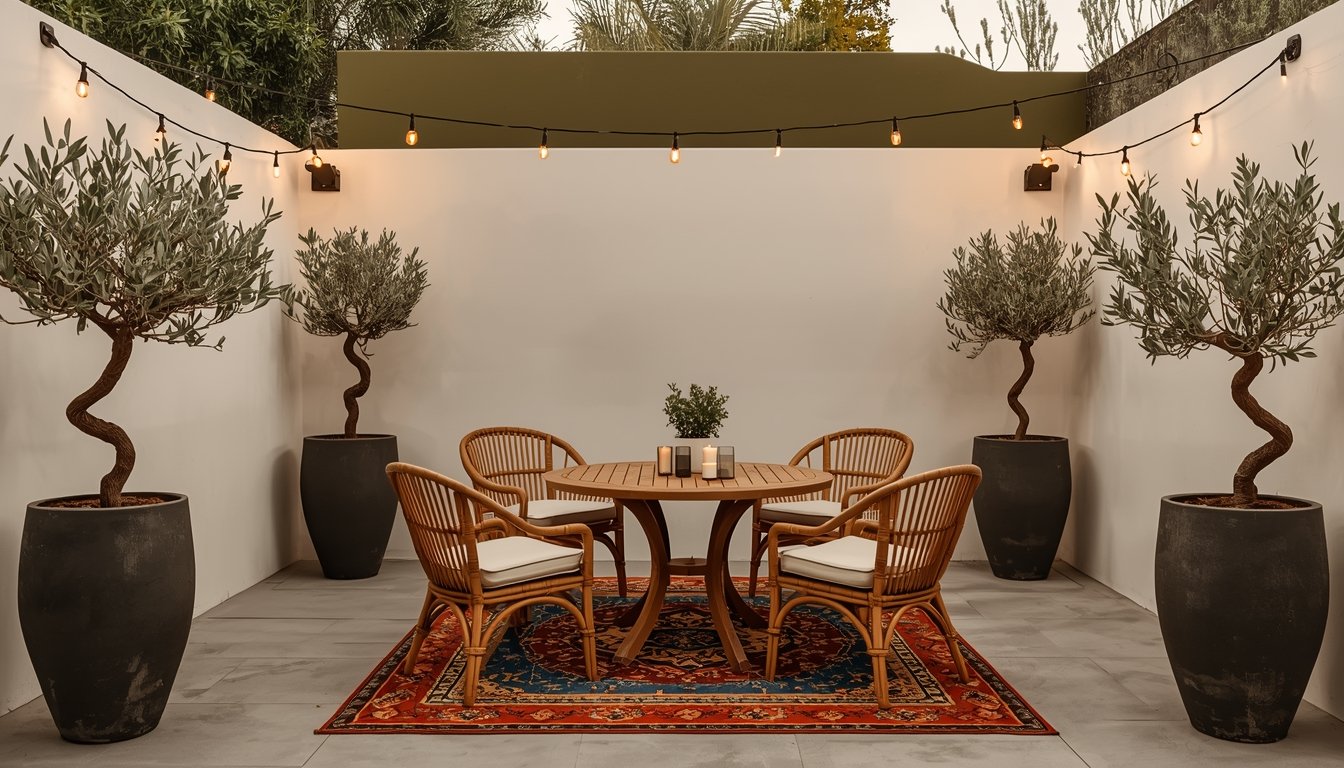
There is something genuinely special about eating outdoors. The combination of fresh air, natural light, and the sounds of a garden or neighborhood creates a dining experience that no indoor setting can fully replicate.
Yet for homeowners with a small patio, balcony, or compact terrace, the challenge of creating a functional and beautiful outdoor dining area can feel daunting.
The truth is, a smaller footprint does not mean a lesser experience. With the right outdoor dining furniture, thoughtful layout decisions, strategic use of planters. And well-layered lighting, even the most modest outdoor space can be transformed into a destination-worthy dining area that you return to again and again throughout the warmer months.
In this guide, we explore the best outdoor dining space ideas specifically designed for small patios. Whether you are working with a narrow balcony, a compact courtyard, or a petite garden terrace, every idea here is chosen for its ability to maximize impact, comfort, and style within a limited footprint.
Why Outdoor Dining Space Design Matters?
Before exploring specific outdoor dining area ideas, it is worth understanding why design thinking matters so much in a small outdoor space. In a larger garden, individual design decisions carry less weight because there is simply more room to absorb mistakes and inconsistencies.
In a compact space, every choice is amplified. The wrong furniture scale, an awkward layout, or poorly chosen materials can make a small patio feel cramped and uninviting. The right choices, by contrast, create a space that feels curated, comfortable, and surprisingly generous.
Outdoor dining design ideas for small spaces share a common set of principles, prioritize furniture that earns its place, define the dining zone clearly without over-enclosing it, and use vertical space to introduce greenery and interest without consuming floor area.
And layer lighting to extend the space’s usability into the evening hours. These principles, applied thoughtfully and consistently, produce results that exceed expectations regardless of the available square footage.
Outdoor Dining Space Ideas for Small Patios
1. Choose the Right Outdoor Dining Set for Your Scale
The most common mistake homeowners make when outfitting a small patio is choosing outdoor dining furniture that is proportioned for a larger space. An oversized patio table and chairs set dominate a compact terrace, leaving insufficient room to move and making the space feel cluttered and uncomfortable.
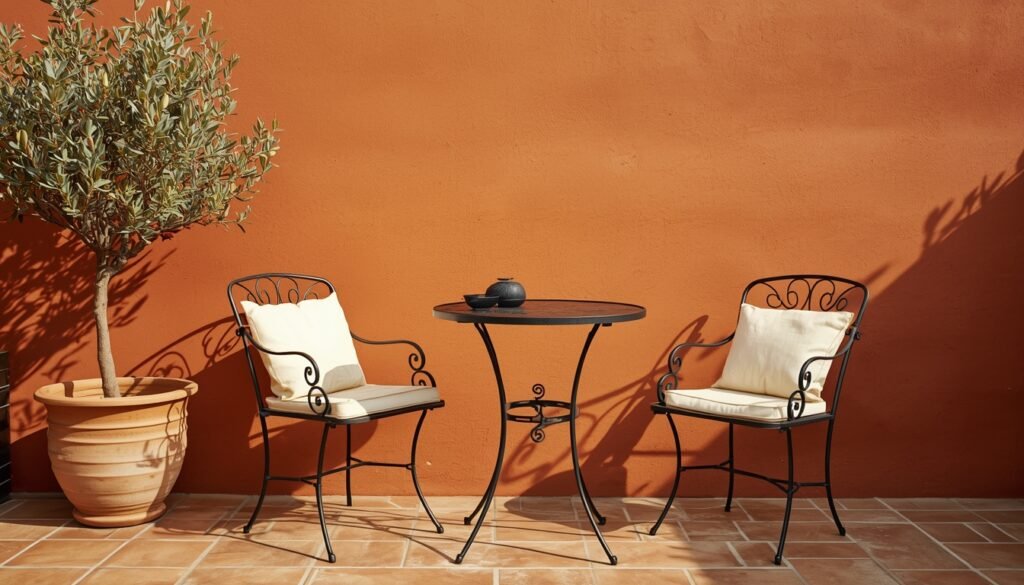
The solution is to be disciplined about scale from the outset. For a small patio, a bistro-style outdoor dining set for two creates an intimate, charming dining zone that fits neatly without overwhelming the space.
The classic bistro pairing of a small round table with a pair of slatted metal or rattan chairs has been a staple of café terrace culture for generations precisely because it delivers maximum comfort and style in a minimal footprint.
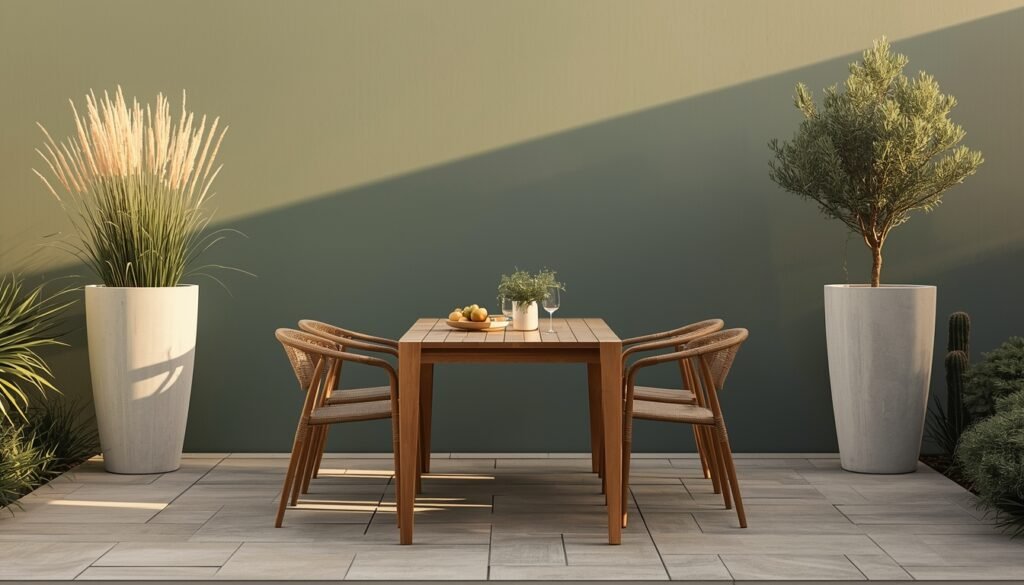
For households that occasionally need to seat more guests, a compact rectangular outdoor table and chairs set that comfortably seats four is the practical upper limit for most small patios. Look for slimline designs with legs set close to the table corners rather than wide splayed bases, as these allow chairs to tuck in fully and dramatically reduce the space required when the table is not in use.
Round tables deserve particular attention for small outdoor dining areas. Their lack of corners means they fit more naturally into irregular or tight spaces, and their shape naturally encourages conversation among all diners without anyone feeling sidelined. A round patio dining set in rattan, powder-coated steel, or teak is one of the most versatile investments for a compact space.
2. Consider Foldable and Stackable Outdoor Dining Furniture
One of the most practical and liberating approaches to outdoor dining design for small spaces is to choose furniture that can be folded, stacked, or stored when not in active use. This approach transforms the patio from a single-purpose dining zone into a flexible outdoor room that can accommodate a range of activities depending on the moment.
Wall-mounted fold-down tables are an increasingly popular solution for very narrow balconies and petite courtyard walls. Fixed to the wall at table height and hinged to fold flat when not needed.
These create a full outdoor dining experience on demand without permanently occupying floor space. Paired with a set of folding chairs hung from wall hooks, the entire outdoor dining area can be deployed and packed away in under two minutes.
Stackable chairs are another space-efficient choice for compact patio dining sets. A set of four stacking chairs occupies no more floor space than a single armchair when stored, making them ideal for households that need occasional seating for a larger group without dedicating permanent floor space to extra seating.
For the most flexible approach, combine a foldable table with a mix of permanent and stackable seating, keeping two comfortable fixed chairs as the everyday dining position and adding stackable or foldable extras when entertaining.
3. Define Your Outdoor Dining Area with a Rug
Zone definition is one of the most powerful tools in outdoor dining design, and an outdoor rug is the most effective single element for creating it. A rug placed beneath your patio table and chairs visually anchors the dining area, clearly signals its purpose, and adds a layer of warmth, color, and texture that immediately elevates the space’s aesthetic.
In a small patio context, a rug also performs an important spatial trick. By creating a clearly defined zone within the broader outdoor space, it makes the area feel more intentional and organised, which paradoxically makes the overall space feel larger and more considered rather than smaller.
Choose a rug that extends at least 60 centimeters beyond the table’s edge on all sides so chairs remain on the rug even when pulled out for seating. This proportional relationship between rug and table is critical for a balanced, grounded appearance. A rug that is too small for the table floats uncomfortably beneath it and fails to create the anchoring effect that makes this technique so valuable.
Outdoor rugs made from polypropylene or recycled plastic weave are the most practical choice for exposed patio conditions. They are fully weatherproof, UV-resistant, and can be cleaned with a garden hose, making them genuinely low-maintenance additions to an outdoor dining area.
4. Use Planters to Frame and Define the Space
Planters are one of the most versatile and underutilized tools in outdoor dining area design. Beyond their obvious role as plant containers, tall planters positioned at the corners and edges of a small dining area serve a spatial design function as valuable as any piece of furniture.
A pair of tall, slim planters flanking the entrance to a small patio dining area creates a sense of threshold and arrival, making the zone feel defined and purposeful. Planters positioned along the outer boundary of the dining zone provide a soft, living screen that adds privacy and enclosure without the hard, enclosed feeling of a solid wall or fence.
The key to using planters effectively in a small outdoor dining area is to layer them at different heights. A tall specimen planter in one corner, medium-height planters at the others, and smaller herb pots on the table itself, create vertical rhythm and depth that draw the eye upward and make the space feel taller and more generous than its actual footprint suggests.
Fiberglass planters are a particularly practical choice for small patio settings because their lightweight construction makes them easy to reposition as the space’s layout evolves, and their wide range of finishes allows them to be matched precisely to the tone and character of the surrounding outdoor dining furniture.
5. Layer Your Outdoor Dining Lighting for Evening Atmosphere
The single most transformative upgrade you can make to a small outdoor dining area is thoughtful, layered lighting. Without it, the space effectively ceases to exist after sunset. With it, a compact patio dining area becomes one of the most atmospheric and romantic settings imaginable for evening meals and late-night conversations.
String lights are the foundation of almost every successful small patio lighting scheme because they deliver warm, generous ambient illumination across the entire area without requiring any fixed electrical installation.
Draping a single strand of bistro-style bulb string lights above the dining table, attached to the wall at one end and to a garden post, pergola, or fence at the other, creates a canopy of light that is instantly magical.
Layer string lights with additional sources at lower levels for a truly considered outdoor dining design. A pair of lanterns on the table creates an intimate, romantic focal point.
A small solar-powered stake light in an adjacent planter adds a secondary glow that prevents the space beyond the table from falling into darkness. Wall-mounted sconces flanking a garden door extend warm light across the entire patio surface.
Smart outdoor lighting connected via a plug-in smart switch can be set to activate automatically at dusk on a schedule, so the outdoor dining area is always beautifully lit when you step outside for the evening, without any manual switching required.
6. Add a Shade Solution That Suits Your Space
Comfort in an outdoor dining area depends on managing solar exposure as much as it depends on furniture quality and layout. A small patio without shade quickly becomes unusable during peak afternoon hours in summer, reducing the practical window for outdoor dining to early morning and evening only.
A cantilever parasol or offset umbrella is the most space-efficient shade solution for a small patio dining area because its off-centre base sits outside the footprint of the dining set, leaving the floor space beneath the table completely clear. Choose a model with a tilt function to track the sun’s movement throughout the day, and ensure the base is sufficiently weighted for the canopy’s diameter.
For a more permanent, architectural solution, a small wall-mounted pergola or overhead sail shade provides a defined roof over the outdoor dining area, offering consistent shade without requiring daily deployment.
Climbing plants trained over a pergola gradually create a natural green canopy that provides beautiful dappled shade and introduces fragrance into the dining experience.
On balconies where freestanding structures are impractical, a retractable awning fixed to the building wall above the balcony door provides reliable, adjustable shade coverage that can be fully rolled out on sunny days and retracted entirely in wet or windy weather.
7. Mix Materials for a Layered, Textural Look
The most visually interesting and sophisticated outdoor dining design ideas consistently involve a mix of complementary materials rather than a single uniform palette. Mixing materials introduces the layered, textural richness that makes a space feel genuinely designed rather than simply furnished.
For a small patio outdoor dining area, pair a dining table in one material with chairs in a contrasting material that shares complementary tones. A weathered teak outdoor dining table paired with powder-coated steel chairs in a warm antique bronze.
For example, combines the organic warmth of natural wood with the refined precision of metal in a way that feels both relaxed and considered. A concrete-look fiberglass table paired with natural wicker chairs achieves a similar contrast of hard and soft, modern and organic.
Extend the material mixing philosophy to the surfaces and soft furnishings that surround the dining set. A geometric porcelain tile floor in grey tones pairs beautifully with warm timber furniture.
A simple concrete paving surface is transformed by the addition of an outdoor rug in warm earthy tones and a cluster of terracotta planters. Each material layer adds depth and interest that prevents the small space from feeling flat or repetitive.
8. Create a Compact Outdoor Bar or Drinks Station
One of the most enjoyable upgrades to any outdoor dining area, small or large, is the addition of a dedicated bar or drinks station that elevates casual outdoor dining into a genuine entertaining experience. In a compact patio setting, this does not require significant space or investment.
A slim bar cart or outdoor drinks trolley positioned at the edge of the dining zone keeps glasses, bottles, a small ice bucket, and mixers within arm’s reach without occupying the dining table surface. Choose a cart with shelves or a lower tier so that everything needed for a casual drinks gathering is visible and accessible without rummaging through cabinets.
For a more integrated look, a small outdoor sideboard or console table against a wall serves as both a serving surface during dining and a display surface for plants and lanterns at other times. This dual function is exactly the kind of multitasking that small outdoor dining areas reward, where every element needs to contribute on more than one level.
Outdoor dining areas for restaurants and commercial settings have long understood the value of a well-positioned service station in creating smooth, enjoyable guest experiences.
Applying the same thinking to a residential small patio outdoor dining setup brings a quality and ease to home entertaining that guests consistently notice and appreciate.
9. Introduce Greenery to Soften and Enrich the Space
No outdoor dining area design is truly complete without plants. Greenery softens the hard edges of furniture and paving, introduces natural fragrance into the dining environment, provides visual interest at multiple levels, and creates the living, breathing quality that distinguishes a genuinely outdoor dining experience from simply eating beside a window.
For small patios, the key to incorporating plants without sacrificing floor space is to think vertically. Wall-mounted planters fixed to a fence or exterior wall at head height and filled with trailing plants, herbs, or compact flowering species provide abundant greenery without using a single square foot of floor space.
A row of small herb pots along a balcony railing is both practical and fragrant, providing fresh garnishes for outdoor meals while adding soft colour along the boundary of the space.
Larger statement plants in tall planters at the corners of the dining area create a sense of enclosure and destination that makes the space feel like a room rather than simply a section of paving.
Olive trees, standard bay trees, columnar evergreen shrubs, and tall ornamental grasses are all excellent choices for container growing in an outdoor dining area context, providing year-round structure with minimal maintenance.
10. Coordinate Your Outdoor Dining Furniture with a Clear Style Direction
Choosing a clear design direction and applying it consistently across your outdoor dining furniture, planters, soft furnishings, and accessories is what transforms a collection of individual pieces into a cohesive, intentional, and polished outdoor dining area.
For a modern coastal outdoor dining design, combine a light neutral palette of white, soft blue, and natural sand tones with organic textures in rattan dining chairs, a bleached teak table, and linen-look outdoor cushions. Add tall white ceramic planters with architectural grasses or olive trees to complete the breezy, relaxed aesthetic.
For a sleek contemporary outdoor dining design, choose a minimalist palette of black, charcoal, and warm grey with clean-lined powder-coated metal outdoor dining sets, large-format grey tile paving, and sculptural fiberglass planters in matte dark finishes. LED strip lighting beneath the table or along paving edges adds a precision detail that reinforces the modern character.
For a warm rustic outdoor dining area, pair a reclaimed timber table with mismatched but complementary chairs in natural wicker and painted metal, layer an earthy outdoor rug beneath, and fill terracotta planters with abundant flowering plants and herbs. Candles in hurricane glasses and string lights overhead complete an atmosphere of relaxed, generous hospitality.
Whatever direction you choose, resist the temptation to mix too many competing styles. A small outdoor dining area has limited capacity to absorb visual complexity, and coherence of style is what makes a compact space feel curated rather than cluttered.
11. Make the Most of Vertical Space
In a small patio outdoor dining area, the floor is a finite and precious resource. Vertical space, by contrast, is almost always underused and offers abundant opportunity to introduce interest, storage, and greenery without consuming the ground plane.
Wall-mounted shelving brackets fitted to a garden wall or fence panel can hold small planters, lanterns, and decorative objects at eye level and above, creating a vertical display that draws the eye upward and makes the boundary walls of the space feel like designed surfaces rather than mere enclosures.
A simple garden trellis fixed to the wall behind the dining area and planted with a fast-growing annual climber creates a living green backdrop that transforms the character of the outdoor dining setting entirely.
Within a single season, sweet peas, nasturtiums, or climbing roses can cover a standard trellis panel and provide a flowering, fragrant screen that makes the dining experience genuinely special.
Vertical herb gardens mounted on a wall beside the dining area combine practicality with visual interest, making fresh herbs available directly at the table while adding green, textured life to what would otherwise be a plain wall surface.
Quick Wins: Budget-Friendly Outdoor Dining Area Upgrades
Not every outdoor dining area improvement requires significant investment. Some of the most impactful changes cost very little and can be implemented in an afternoon. Repainting existing outdoor dining furniture in a fresh color is one of the most cost-effective makeover strategies available.
A coat of spray paint in matte black, forest green, or warm white transforms a tired patio dining set into something that looks entirely new and intentional. Use an exterior-rated paint or primer designed for the specific material, whether metal, timber, or plastic.
New cushions for an existing patio chair and table set deliver a similar visual refresh at a similarly modest outlay. Choosing cushions in a bold pattern or a saturated color that coordinates with your planting introduces personality and freshness without replacing any furniture.
Adding a simple tablecloth in an outdoor-friendly fabric, a set of coordinated tableware for outdoor use, and a small potted plant as a centerpiece elevates the experience of using the outdoor dining area to a noticeably higher level of comfort and pleasure for very little cost.
Final Thoughts
Creating a beautiful, functional outdoor dining space on a small patio is not about compromising on ambition. It is about applying design intelligence to every decision so that each element earns its place and contributes to a cohesive, inviting whole.
The outdoor dining space ideas in this guide cover the full range of considerations, from choosing the right scale of outdoor dining set and using rugs and planters to define and enrich the zone, to layering lighting for evening atmosphere and mixing materials for visual depth.
Every idea is chosen for its effectiveness in a small-space context and its ability to deliver a genuine upgrade in how the space looks, feels, and functions.
Whether you are starting from scratch or refreshing an existing outdoor dining area, approach the project with a clear style direction in mind, invest in quality materials where it matters most, and embrace the process of creating an outdoor space that becomes one of your most-used and most-loved corners of home life.

Welcome to Homeblesh! I'm a professional content writer with over five years of experience creating well-researched, practical, and reader-focused content for clients on Upwork and Fiverr. Now, I've dedicated my expertise to building Homeblesh, where I share helpful guides, honest recommendations, and actionable tips based on careful research and industry knowledge. My goal is to provide accurate, trustworthy information to help you make informed decisions while delivering clear, useful, and easy-to-understand content.
- Muhammad Imran

- Muhammad Imran

- Muhammad Imran

- Muhammad Imran


