
Somewhere between a crammed shopping cart and a compost bin, millions of people are quietly rewriting the rules of how to live, not with sacrifice, but with intention. Welcome to sustainable living in 2026.
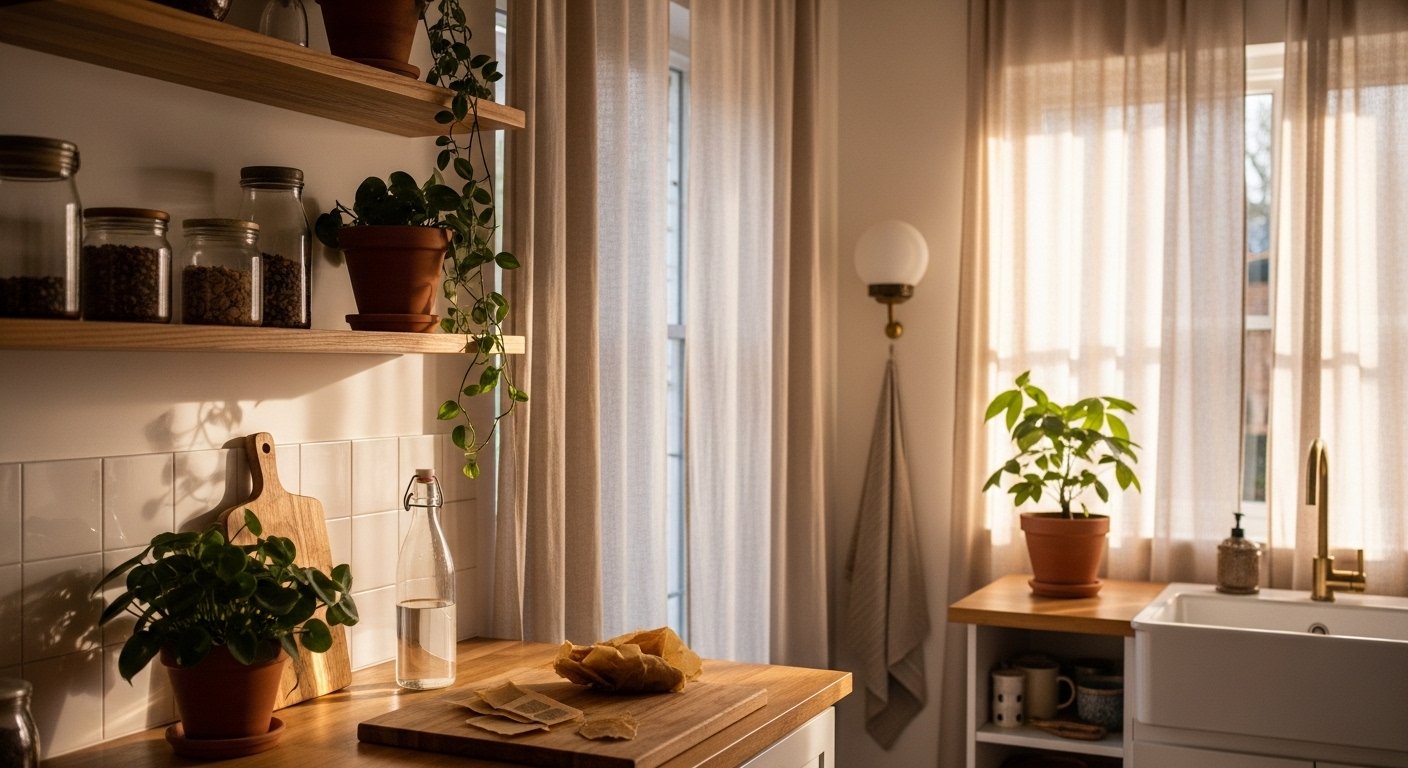
Picture this: It is a Tuesday morning. You wake up to sunlight filtering through linen curtains, brew your coffee in a reusable French press, and step into a kitchen where nothing is wasted.
Your meal plan for the week is already sketched on a chalkboard wall. The freezer holds last week’s vegetable scraps waiting to become broth. There are no single-use plastic bags in sight. The energy bill last month was the lowest it has ever been.
This is not a fantasy from a magazine spread. This is what simple and sustainable living looks like in 2026, and it is far more accessible, far more joyful, and far more urgently necessary than ever before.
As climate science continues to deliver sobering headlines and as global temperatures break records year after year, the conversation around sustainability has shifted. It is no longer the domain of extreme minimalists or off-grid homesteaders.
Today, sustainable living is a mainstream, deeply practical philosophy embraced by people across every income level, culture, and lifestyle. And the core message has never been simpler, less is more, and every small action counts.

Table of contents
Why 2026 Is a Turning Point for Sustainable Living?
The climate crisis has accelerated in visible, felt ways. Extreme weather events, water shortages, and rising energy costs are no longer abstract projections. They are weekly news. At the same time, a powerful cultural counter-movement has emerged: one that celebrates circularity, intentionality, and the radical act of opting out of overconsumption.
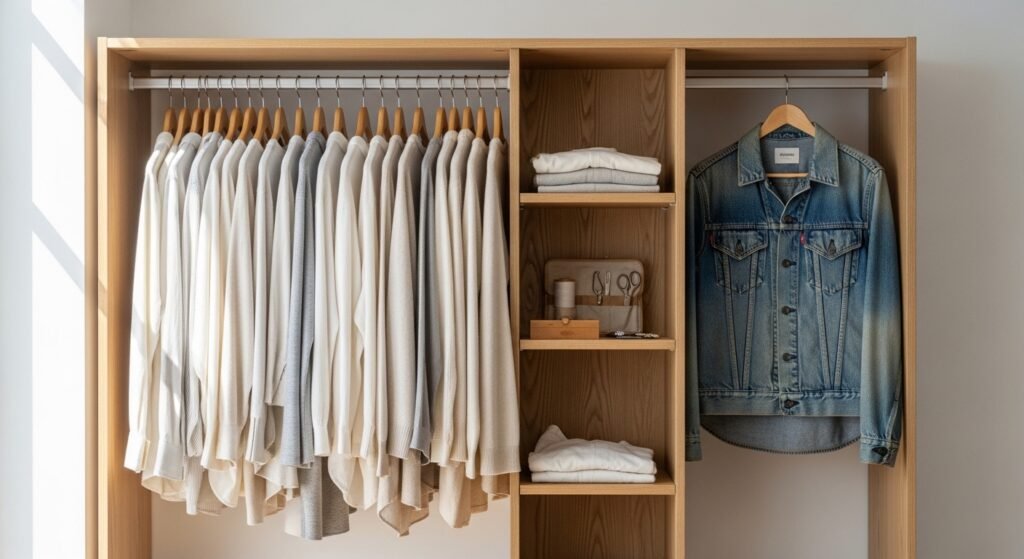
In 2026, the dominant trends in sustainable living are rooted not in guilt or deprivation, but in a renewed sense of meaning. The curated retreat aesthetic, a home filled with fewer, higher-quality, more durable objects, has replaced the dopamine loop of fast fashion and impulse purchases.
The digital detox is now as common as a gym membership. And eating seasonally from a local farmers’ market is as trendy as any fine-dining reservation.
But before we explore the trends, let us ground ourselves in what simple, sustainable living actually requires, and why it works. “Sustainable living in 2026 is not about doing everything perfectly. It is about doing enough things consistently.”
The 5 Core Pillars of Simple and Sustainable Living in 2026
Pillar 1: Conscious Consumption and Minimalism
The anti-haul movement has gone mainstream. Where previous generations measured status by accumulation, the 2026 consumer measures it by restraint. The growing repair cafe culture encourages people to fix broken items rather than discard them. Secondhand shopping through thrift stores and online resale platforms is no longer a budget choice. It is the aspirational one.
The capsule wardrobe concept, popularized by projects like Project 333, has shown that wearing a curated 33-item wardrobe for three months reduces decision fatigue, consumer waste, and the psychological burden of choice. Sustainable fashion is not about owning less and feeling deprived. It is about owning better and feeling lighter.
Pillar 2: Sustainable Home and Energy Efficiency
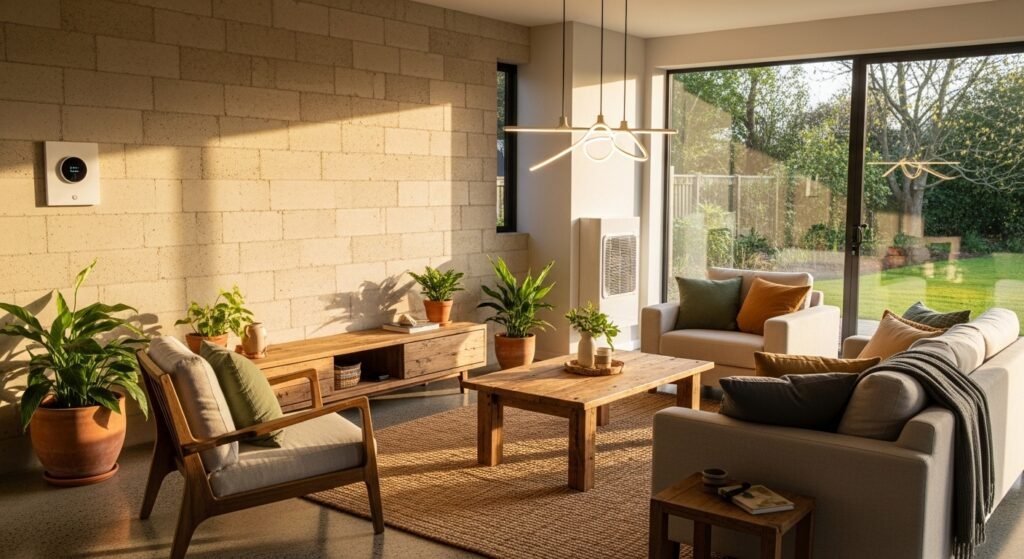
The sustainable home of 2026 is not a mud hut. It is your existing home, made smarter. Installing LED lighting throughout reduces electricity use dramatically. Smart thermostats learn your schedule and eliminate phantom energy consumption, the invisible energy drain that wastes up to 10% of a household’s electricity annually.
Heat pumps are replacing gas furnaces as the heating standard in colder climates. Inside, natural materials like reclaimed wood, stone, linen, and clay replace synthetic alternatives, bringing warmth, durability, and a connection to the natural world.
Water conservation through rainwater harvesting barrels, low-flow showerheads, and prompt leak repairs has become a household norm. Your home is your biggest sustainability lever, and the changes are simpler than you think.
Pillar 3: Zero-Waste Habits and Waste Reduction
Food waste is one of the single largest contributors to methane emissions globally. In 2026, the zero-waste kitchen is a practical reality rather than a niche hobby. Composting food scraps, meal planning to eliminate overbuying, and using every part of an ingredient are habits that households have normalized.
The single-use plastic revolution is equally powerful. Reusable glass and metal containers have replaced disposable packaging in kitchens and bathrooms alike.
Cloth napkins, beeswax wraps, bamboo toothbrushes, and shampoo bars have become bathroom staples. The shift is not a sacrifice. It is a simplification. Fewer disposables means fewer purchases, less clutter, and a cleaner conscience.
Pillar 4: Eco-Friendly Diet and Lifestyle Choices
Image Prompt: A vibrant farmers market stall in Pakistan overflowing with colorful seasonal vegetables and fruits, a shopper holding a wicker basket, warm golden hour light, community feel, joyful and authentic documentary photography style.
What you eat is one of the most powerful sustainability choices you make every single day. Research consistently shows that reducing meat consumption, even partially through Meatless Mondays, significantly lowers an individual’s carbon footprint and water usage. Plant-based eating is no longer fringe. In 2026, it is the culinary mainstream.
But equally important is where your food comes from. Buying from local farmers markets reduces transportation emissions, supports community livelihoods, and reconnects consumers to the seasonal rhythms of food.
Sustainable transportation habits, including walking, cycling, carpooling, or using electric vehicles for short urban trips, compound these dietary gains. Every journey taken by foot or bicycle is a vote for both personal health and planetary health.
Pillar 5: Digital Minimalism and Mindful Living
Image Prompt: A person sitting cross-legged on a linen cushion near a window, phone face-down on a wooden table beside a small succulent, a journal open, soft morning light, calm and deliberate mood. Minimalist lifestyle photography, muted tones.
This pillar surprises most people: your digital life has a carbon footprint too. Data centers consume enormous amounts of energy globally, and every unnecessary email stored in a cloud server contributes, in a small but real way, to that consumption. Regularly decluttering your inbox, unsubscribing from newsletters, and auditing your cloud storage are genuine sustainability acts.
Beyond the digital realm, mindful living, the practice of identifying what truly matters, reducing overcommitment, and protecting time for rest, is the invisible thread that holds the other pillars together.
Simple living is not just about what you own or eat. It is about how you spend your attention, your energy, and your time. In 2026, protecting your mental well-being is recognized as an environmental act in itself.
The Compounding Power of Small Consistent Actions
Here is the insight that transforms sustainable living from an overwhelming project into an achievable daily practice: you do not have to do everything at once. The power of this lifestyle lies in the compounding effect of consistent, modest choices.
Think of it this way. Switching one weekly meat-based meal to a plant-based one saves approximately 600 liters of water and reduces your carbon output by the equivalent of driving 20 kilometers per meal. Replacing five disposable items in your bathroom with reusable alternatives eliminates hundreds of plastic items from landfills over a single year.
Composting your kitchen scraps diverts roughly one-third of your household waste from producing methane in a landfill. None of these actions requires a dramatic lifestyle overhaul. Each one takes a single decision, repeated consistently.
In Pakistan, where real estate, e-commerce, and urban business sectors are booming, sustainable living has a uniquely local dimension. Buying from local artisans and farmers reduces emissions driven by imports and supports community economies.
Using solar energy in a country blessed with abundant sunshine is one of the highest-return sustainability investments a homeowner can make. And in cities like Lahore, Karachi, and Islamabad, the shift toward cycling culture and public transport is gaining momentum as both a cost-saving and environmental strategy.
Where to Begin: Your First 30 Days
If you are standing at the beginning of this journey, the best advice is also the simplest: start with the room you spend the most time in. If it is your kitchen, begin with a compost bin and a set of reusable containers. If it is your wardrobe, commit to buying nothing new for one month. If it is your commute, walk or cycle once this week instead of driving.
The goal is not perfection. The goal is direction. Every household that begins moving toward simplicity and sustainability reduces pressure on global systems in ways that individual metrics cannot fully capture. And collectively, family by family, city by city, country by country, these individual directions become the most powerful force for change that exists.
Simple and sustainable living in 2026 is not a trend. It is not an aesthetic. It is not a sacrifice. It is the most rational, joyful, and human response to the world we find ourselves in. And it begins, as all meaningful things do, with a single intentional choice.
“The earth does not need you to be perfect. It needs you to be consistent.”

Welcome to Homeblesh! I'm a professional content writer with over five years of experience creating well-researched, practical, and reader-focused content for clients on Upwork and Fiverr. Now, I've dedicated my expertise to building Homeblesh, where I share helpful guides, honest recommendations, and actionable tips based on careful research and industry knowledge. My goal is to provide accurate, trustworthy information to help you make informed decisions while delivering clear, useful, and easy-to-understand content.
- Muhammad Imran

- Muhammad Imran

- Muhammad Imran

- Muhammad Imran