


In a world overwhelmed by overconsumption, environmental pressure, and the relentless pace of modern life, simple and sustainable living has emerged as one of the most meaningful lifestyle shifts a person can make. It is not about deprivation or radical sacrifice.
It is about making deliberate, conscious choices that align your daily habits with your values and with the health of the planet. Simple and sustainable living combines the clarity of minimalism with the responsibility of eco-conscious action, creating a way of life that benefits both the individual and the world around them.
Whether you are completely new to this philosophy or looking to deepen your existing commitment, this guide covers everything you need to know about the foundations of simple and sustainable living in 2026.
From understanding its core principles to applying practical everyday habits, these ideas will help you build a lighter, more intentional, and more fulfilling life. Simple and sustainable living is not a trend. It is a long-term investment in your wellbeing, your finances, and the future of our shared planet.
Table of contents
What Is Simple and Sustainable Living?

Simple living is the practice of stripping life back to what genuinely matters. It means stepping away from the cycle of constant consumption, decluttering your physical and mental space, and redirecting your energy toward experiences, relationships, and values rather than possessions.
Sustainable living takes that intention one step further by ensuring that the choices you make today do not compromise the ability of future generations to meet their own needs. It encompasses everything from how you power your home and what you eat to how you travel and what you wear.
Together, these two philosophies create a powerful and practical framework for daily life. One that is better for your mental health, your finances, and the environment all at once.
Historically, the roots of simple living can be found across cultures and centuries, from Zen Buddhist minimalism to Stoic frugality to the back-to-the-land movements of the twentieth century. In 2026, it has never been more relevant or more accessible.
Why Simple and Sustainable Living Matters More in 2026?

The urgency of climate change, rising living costs, and widespread burnout has made intentional living a genuine necessity for millions of people around the world.
Research consistently links simpler, lower-consumption lifestyles with higher levels of reported happiness, lower anxiety, stronger community bonds, and significantly reduced environmental impact.
The good news is that you do not have to overhaul your entire life overnight. Small, consistent changes compound into significant transformation over time. The key is knowing where to start.
The Five Pillars of Sustainability

Before exploring practical habits, it helps to understand the broader framework that underpins sustainable living. Sustainability is not a single concept. It is a structure built on five interconnected pillars, each of which plays a critical role in supporting a balanced and equitable world.
1. Environmental Sustainability
Environmental sustainability is the foundation of the entire movement. It is about living within the regenerative capacity of natural systems, using resources no faster than the planet can replenish them.
This includes reducing energy consumption, minimizing waste, protecting biodiversity, and transitioning away from fossil fuels toward renewable alternatives.
Practical starting points include switching to energy-efficient appliances, composting food waste, reducing single-use plastic consumption, and choosing products with minimal packaging.
Every small reduction in your ecological footprint contributes to the larger goal of a planet that can sustain life for generations to come.
2. Economic Sustainability
Economic sustainability challenges the idea that financial growth must come at the expense of people or the planet. It promotes business models and personal financial habits that create long-term value without exploiting natural resources or human labor.
On a personal level, economic sustainability looks like buying less and buying better, choosing secondhand over new, supporting ethical and local businesses, and building financial resilience through reduced consumption and smarter saving. Sustainable living is also significantly cheaper over time.
3. Social Sustainability
A truly sustainable world is one that works for everyone, not just those with access to wealth or privilege. Social sustainability focuses on equity, inclusivity, and the well-being of all members of a community, ensuring that the benefits of sustainable development are shared rather than concentrated.
This pillar encourages community participation, support for local initiatives, accessible education on sustainable practices, and a genuine commitment to fairness in the distribution of resources and opportunities. Sustainable living is not a lifestyle reserved for the wealthy. It is a framework that, when applied thoughtfully, becomes more accessible as it is adopted more widely.
4. Cultural Sustainability
Cultural sustainability recognizes that human heritage, traditional knowledge, and diverse ways of life are themselves vital resources worth protecting. Indigenous and traditional communities have practiced forms of sustainable living for centuries, and their wisdom has much to offer modern sustainability movements.
This pillar encourages respect for cultural diversity, the integration of traditional ecological knowledge into modern practice, and the preservation of local customs, languages, and art forms. A sustainable future is one that is culturally rich as well as environmentally sound.
5. Technological Sustainability
Technology, when developed and deployed responsibly, is one of the most powerful tools available in the transition to a sustainable world. From solar panels and wind energy to sustainable agriculture innovations and circular economy platforms, technological sustainability focuses on harnessing human ingenuity in service of environmental and social goals.
This does not mean technology alone can solve the climate crisis. But it does mean that smart adoption of clean, efficient technologies at both the individual and systemic level is an essential part of a sustainable future.
Core Sustainable Living Practices to Start Today
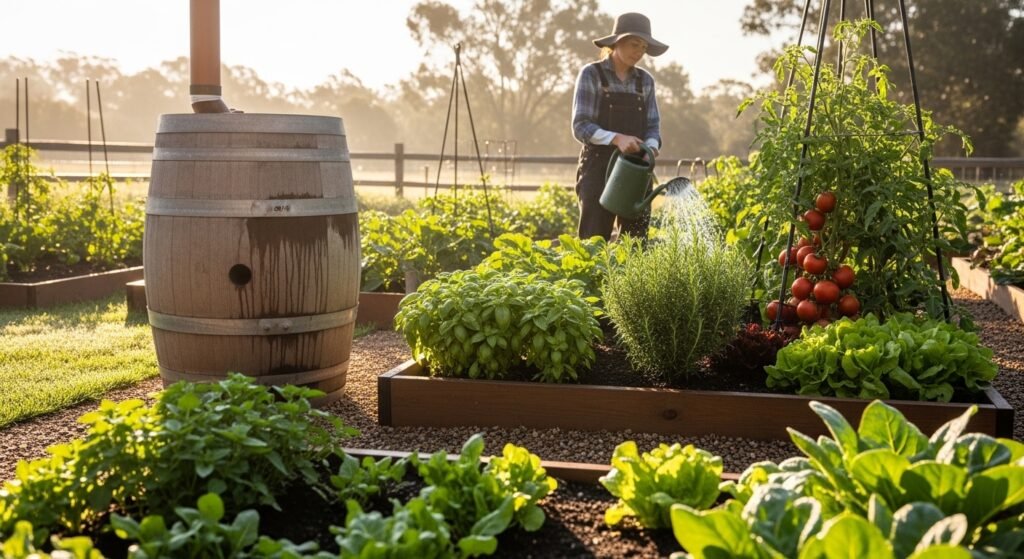
Understanding the philosophy is only the beginning. The real power of simple and sustainable living lies in its practical application. Here are the five most impactful areas where everyday changes produce meaningful results.
1. Energy Conservation at Home
The home is one of the most significant sources of individual carbon emissions, and it is also one of the areas where intentional change produces the most measurable results. Creating a more sustainable home does not require a complete renovation. It starts with awareness and small, consistent adjustments.
Practical Steps:
- Switch to LED lighting throughout your home
- Unplug electronics and appliances when not in use to eliminate phantom energy draw
- Install a programmable or smart thermostat to reduce heating and cooling waste
- Explore renewable energy options such as solar panels or green energy tariffs through your utility provider
- Wash clothes in cold water and air-dry where possible
Energy conservation is one of the most financially rewarding aspects of sustainable living. Lower consumption directly translates to lower utility bills, making it one of the clearest win-win actions available.
2. Waste Reduction and Zero Waste Living
The global waste crisis is one of the most visible symptoms of overconsumption culture. Reducing the amount of waste your household generates is both an environmental imperative and a surprisingly liberating personal practice.
Practical Steps:
- Begin composting food scraps and organic waste to divert material from landfill
- Replace single-use plastics with durable, reusable alternatives such as beeswax wraps, glass containers, and stainless steel bottles
- Adopt a “one in, one out” rule for household possessions to prevent accumulation
- Shop secondhand for clothing, furniture, and household items before buying new
- Refuse unnecessary packaging by buying in bulk and choosing products with minimal or recyclable packaging
Zero waste living does not require perfection. Progress is far more sustainable than perfectionism. Even reducing your household waste by thirty percent produces a genuinely significant environmental impact.
3. Sustainable Transportation Choices
How you move through the world is one of the largest contributors to your personal carbon footprint. Transportation choices offer significant opportunities to reduce emissions, improve physical health, and save money simultaneously.
Practical Steps:
- Walk or cycle for short trips instead of driving by default
- Use public transport for commuting where practical and available
- Explore car-sharing platforms for occasional vehicle needs rather than maintaining a personal car
- If you drive, consolidate errands into single trips to minimize fuel consumption
- Consider an electric or hybrid vehicle for your next car purchase
Sustainable travel is not about eliminating mobility. It is about choosing the lowest-impact option available for each journey and building habits that make those choices feel natural rather than effortful.
4. Water Conservation
Fresh water is one of the planet’s most precious and increasingly stressed resources. Developing water-conscious habits at home is a straightforward and impactful component of sustainable living that most people underestimate.
Practical Steps:
- Fix leaking taps and pipes immediately, as even small drips waste thousands of liters annually
- Install low-flow showerheads and tap aerators to reduce water consumption without sacrificing comfort
- Collect rainwater for garden irrigation using a simple water butt system
- Run dishwashers and washing machines only on full loads
- Take shorter showers and turn off the tap while brushing teeth
Water conservation habits are quick to implement, cost nothing to start, and produce measurable reductions in household water bills alongside their environmental benefits.
5. Sustainable Eating Habits
What you eat is one of the most powerful levers available to you as an individual seeking to reduce your environmental impact.
The global food system is responsible for a significant share of total greenhouse gas emissions, and dietary choices have a direct, immediate effect on that figure.
Practical Steps:
- Shift toward a more plant-based diet by replacing meat and dairy with whole grains, legumes, vegetables, and nuts
- Choose locally grown and seasonal produce to reduce the emissions associated with long-distance food transportation
- Plan meals in advance to reduce food waste, one of the single largest contributors to household carbon footprints
- Grow your own herbs, vegetables, or fruit where space allows
- Support local farmers markets and ethical food producers with your purchasing choices
Sustainable eating does not demand instant veganism or dietary perfection. Small, consistent shifts in the direction of lower-impact foods produce compounding environmental and health benefits over time.
Simple Living Tips for Beginners
If you are new to this lifestyle, the volume of information available can feel overwhelming. Here are the most important principles to anchor your approach:
Start with one area of your life rather than attempting to transform everything at once. Choose the pillar or practice that resonates most strongly with your current situation and build momentum from there.
Embrace progress over perfection. Every sustainable choice you make has genuine value, regardless of how imperfect your overall lifestyle might appear compared to some idealized standard.
Connect with a community. Local sustainability groups, online forums, and neighborhood initiatives make the journey feel shared rather than solitary and provide practical support, ideas, and accountability.
Focus on subtracting rather than adding. Simple and sustainable living is fundamentally about doing and consuming less, not about acquiring a new set of expensive eco-products to replace your current ones.
Final Thoughts
Simple and sustainable living is one of the most empowering choices available to any individual in 2026. It reduces financial pressure, improves mental clarity, strengthens community bonds, and contributes meaningfully to the health of the planet.
It is a philosophy built not on sacrifice but on intention, not on restriction but on freedom from the exhausting cycle of wanting and acquiring more.
The basics are genuinely simple. Consume less, waste less, move more consciously, eat more thoughtfully, and invest your energy in what genuinely matters.
Start where you are, with what you have, and let the momentum of small, consistent choices carry you toward a lighter, richer, and more purposeful way of living.

Welcome to Homeblesh! I'm a professional content writer with over five years of experience creating well-researched, practical, and reader-focused content for clients on Upwork and Fiverr. Now, I've dedicated my expertise to building Homeblesh, where I share helpful guides, honest recommendations, and actionable tips based on careful research and industry knowledge. My goal is to provide accurate, trustworthy information to help you make informed decisions while delivering clear, useful, and easy-to-understand content.
- Muhammad Imran

- Muhammad Imran

- Muhammad Imran

- Muhammad Imran


1 Comment
Pingback: What Are the Basics of Simple and Sustainable Living in 2026? - Home Blesh