It’s probably sitting in a box in your garage right now. That ol’ carved wooden chest. That gaudy gold-framed mirror, and that rug your grandmother swore was good for many more years ahead. You don’t want to get rid of it, but you don’t have a clue where to put it, either.
There’s a bit of a secret nobody likes to talk about: an heirloom carries a piece of the person who loved you. But when you drop one of those heirlooms into a spotlessly modern space. It suddenly looks like it wandered in from another house altogether. So it gets boxed away, and with it goes the significance of it all.
The thing is, knowing how to mix vintage heirlooms into a modern home isn’t about choosing between sentiment and style. Designers blend eras all the time, and the trick is simple.
There’s the ‘ 80/20 rule’ plus 4 tried and tested techniques that turn ‘completely doesn’t fit in ‘ into a modern vintage interior that actually gets noticed. Time to get that chest out of the garage and into play.
Table of Contents
Why Vintage Heirlooms Make Modern Homes Feel More Personal?

Modern homes, for all their clean lines and sleek finishes, can start to feel a little cold and generic, like a showroom rather than somewhere you actually live. That’s exactly why learning how to mix vintage heirlooms into a modern home matters so much right now.
A single inherited piece brings decades of history and personality into a space that mass-produced furniture simply can’t replicate. There’s also a real difference between emotional value and decorative value, a modern piece looks good, but an heirloom means something.
Keeping quality vintage furniture rather than replacing it is more sustainable, as it avoids unnecessary waste. That’s why designers increasingly combine vintage and contemporary interiors rather than committing fully to one style or the other.
Start with the 80/20 Design Rule

The easiest way to blend treasured heirlooms into a modern vintage interior is to follow the designer-approved 80/20 design rule. It creates a balanced space where vintage pieces add personality without making your home feel dated or overcrowded.
- Keep 80% of the room modern. Choose clean-lined sofas, simple cabinetry, and contemporary décor to establish a fresh foundation for your vintage modern interior design.
- Limit vintage pieces to about 20%. Feature meaningful heirlooms as statement accents instead of filling every corner with antiques.
- Balance is what makes it work. Too many heirlooms can make a room resemble a museum, while thoughtful placement keeps it stylish and inviting.
- Let modern furniture create visual breathing room. Open space helps every heirloom stand out rather than compete for attention.
- Mix old and new intentionally. Pair a modern sectional with an antique coffee table, contemporary dining chairs with an heirloom table, or a minimalist bedroom with a vintage chest to achieve a timeless modern vintage decorating style with beautiful contemporary vintage decor.
Pro Tip Box
Think of vintage heirlooms as jewelry for your home—not the entire outfit.
Choose One Statement Heirloom Instead of Many Small Pieces

One beautiful heirloom will always make a stronger impression than a room filled with scattered antiques. That’s one of the simplest lessons in How to Mix Vintage Heirlooms Into a Modern Home for creating a balanced modern-vintage interior.
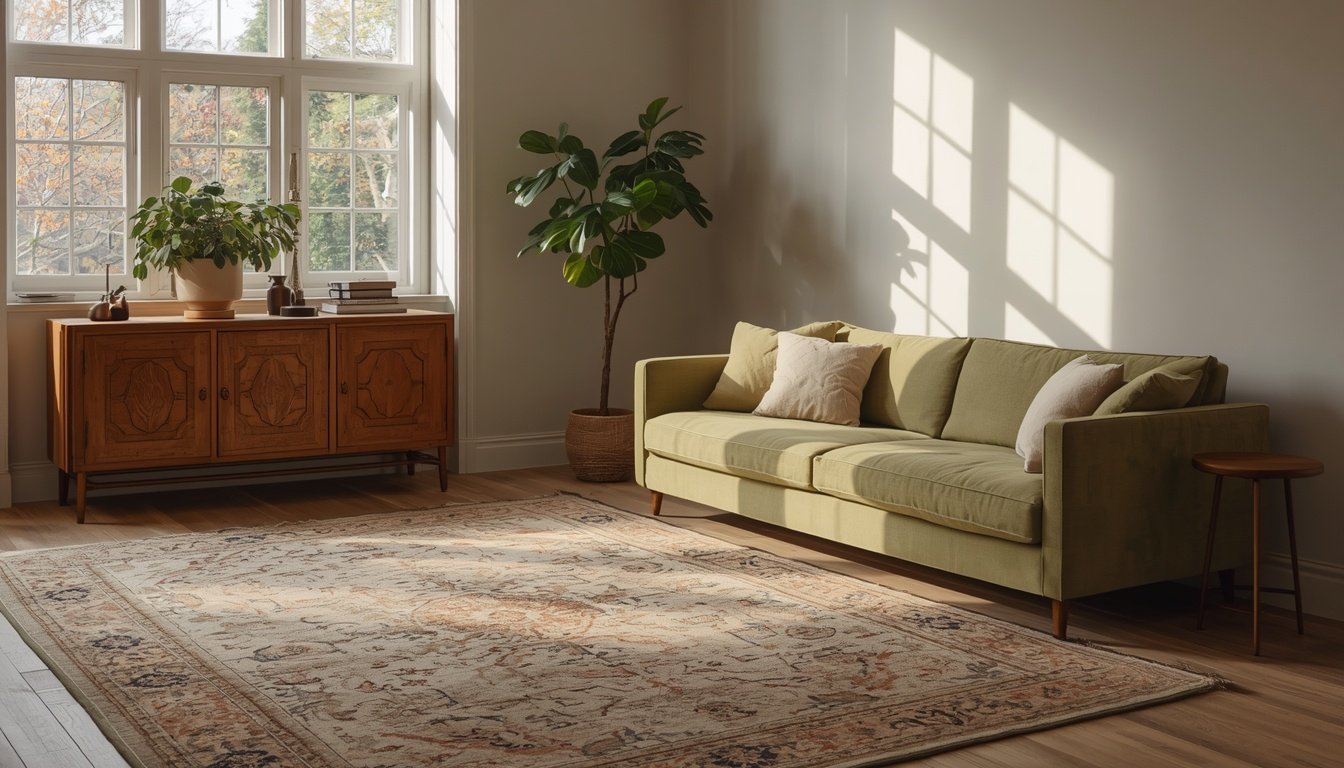
- Choose one standout heirloom. An antique sideboard, grandfather clock, Persian rug, vintage cabinet, or large oil painting instantly becomes the room’s focal point instead of competing with other decorative pieces.
- Design the space around it. Surround your heirloom with clean-lined furniture to achieve a balanced vintage modern interior design that feels fresh rather than dated.
- Give it room to breathe. Leave open space around the piece so it naturally draws attention and enhances your modern vintage decor.
- Avoid visual competition. Limit bold patterns and oversized accessories nearby to maintain cohesive vintage-modern home decor and achieve successful modern-vintage interior design.
- Use lighting to showcase character. A floor lamp, picture light, or well-placed spotlight highlights craftsmanship and adds depth to modern vintage interior design, making the heirloom feel like intentional artwork rather than leftover furniture.
Group Smaller Heirlooms Into Curated Displays

Small heirlooms often make the biggest impact when they’re displayed together instead of scattered throughout a room. Thoughtful groupings create a polished look while preserving the memories behind every treasured piece.
Why Grouping Works
One of the easiest ways to master How to Mix Vintage Heirlooms Into a Modern Home is by creating curated collections instead of placing every keepsake in a different corner. Grouping vintage books, family photographs, brass candlesticks, or ceramic pottery together gives them a stronger visual presence and tells a meaningful story.
It also prevents your space from feeling cluttered, which is essential for a balanced modern vintage interior. In vintage modern interior design, carefully arranged collections allow sentimental pieces to become intentional design features rather than random decorations. The result is timeless vintage modern decor that feels organized, personal, and inviting.
Display Ideas
Mix objects with different heights, textures, and materials for added depth. Pair stacked vintage books with old cameras, display porcelain collections beside silver trays, or surround framed family photographs with brass candlesticks.
These combinations add warmth to modern vintage decor while reflecting your family’s history. This layered approach is a defining feature of vintage modern home decor and helps create elegant modern and vintage interior design without overwhelming the room.
Best Locations
Choose display areas that naturally draw attention without interrupting everyday living. Floating shelves, console tables, built-in cabinets, and glass display cabinets are ideal places to showcase heirlooms while keeping them protected and organized.
These dedicated spaces allow each collection to breathe, making them a focal point within modern vintage interior design.
Thoughtfully styled displays also strengthen vintage modern interior design, giving vintage modern interiors a curated, sophisticated look that feels collected over time rather than cluttered.
Give Old Furniture a Fresh Modern Update
Updating an heirloom doesn’t erase its story—it gives it a new chapter in your home. Thoughtful updates help cherished furniture and décor blend naturally with modern interiors while preserving the craftsmanship and memories that make them special.
- Reupholster vintage chairs: Refresh worn seating with modern fabrics like linen, bouclé, velvet, or durable performance fabrics. A clean, updated fabric instantly transforms a dated chair into a stylish accent while keeping its original frame and character intact.
- Replace outdated hardware: Swap old handles and knobs for matte black, brushed brass, or satin nickel hardware. This simple upgrade gives dressers, cabinets, and baseboards a cleaner, more contemporary appearance without changing their timeless design.
- Refresh wood finishes: Clean and repair damaged surfaces while preserving the natural wood grain. Avoid stripping away every sign of age, as a light patina and minor imperfections often add warmth, authenticity, and visual depth.
- Reframe vintage artwork: Give inherited paintings and prints a fresh look with thin black frames, natural oak frames, or gallery-style framing. Modern frames make classic artwork feel intentional and perfectly at home in contemporary spaces.
Use Color to Connect Different Design Eras
Color is one of the easiest ways to make vintage heirlooms and modern furniture feel like they belong together. A well-planned palette creates visual harmony, allowing pieces from different eras to complement rather than compete with one another.
- Choose one consistent palette: Pick two or three main colors and repeat them throughout the room. A unified color scheme helps antique and contemporary pieces feel intentionally styled instead of randomly placed.
- Repeat wood tones: If your heirloom features walnut or oak, echo that wood tone in shelving, picture frames, or accent tables. Repeating natural finishes creates a smooth visual connection across the space.
- Repeat metal finishes: Use matching hardware and décor finishes, such as brass, matte black, or chrome, to tie lighting, furniture, and accessories together for a cohesive look.
- Keep wall colors neutral: Soft whites, warm beiges, greiges, or light grays allow both vintage heirlooms and modern furnishings to stand out without overwhelming the room.
- Use textiles to bridge styles: Rugs, curtains, cushions, and throws can introduce colors and textures that connect traditional heirlooms with contemporary furniture, making the overall design feel balanced and inviting.
Color combinations to try:
- Walnut + cream + black: Rich walnut wood paired with soft cream walls and black accents creates a timeless, elegant contrast.
- Oak + sage green: Warm oak furniture and muted sage green add a fresh, natural feel that suits both vintage and modern interiors.
- Brass + charcoal: Classic brass details stand out beautifully against deep charcoal tones for a sophisticated, contemporary look.
- White + warm wood: Crisp white walls combined with warm wood finishes create a bright, airy space that highlights heirloom craftsmanship.
- Greige + antique bronze: Neutral greige paired with antique bronze hardware offers subtle warmth while seamlessly blending traditional and modern design elements.
Mix Textures Instead of Matching Furniture
Instead of trying to match every piece of furniture, focus on mixing complementary textures. The contrast between sleek modern finishes and rich vintage materials creates a layered, welcoming space with far more character.
- Leather + linen: Pair a smooth leather sofa with soft linen cushions or curtains. The contrast between structured leather and relaxed fabric adds comfort and balance without overwhelming the room.
- Marble + aged wood: A polished marble coffee table looks striking beside an antique wooden cabinet or dining table. The refined stone highlights the natural grain and history of aged wood.
- Glass + brass: Combine clean glass surfaces with vintage brass lamps, trays, or candleholders. The transparency of glass keeps the space feeling light, while brass introduces warmth and timeless charm.
- Bouclé + carved oak: A bouclé accent chair next to a carved oak side table blends cozy texture with detailed craftsmanship, creating a sophisticated modern vintage interior.
- Concrete + antique walnut: Industrial concrete finishes pair beautifully with antique walnut furniture, balancing cool contemporary surfaces with rich natural wood tones. This thoughtful mix of textures adds warmth, visual depth, and personality without making the room feel cluttered or overly decorated.
Create Unexpected Old-and-New Pairings
Contrast makes both pieces stand out. When an ornate antique sits right beside something sleek and modern, neither one fades into the background. And the pairing instantly reads as a deliberate design choice rather than a mismatch.
Examples:
- Ornate antique mirror above a minimalist console
- Rustic writing desk with an acrylic office chair
- Vintage trunk as a coffee table
- Antique dining table with molded plastic chairs
- Mid-century cabinet beneath abstract artwork
- Neutral sofa styled with vintage velvet pillows
Designer Insight: Unexpected combinations often feel more intentional than perfectly matched furniture.
Use Lighting to Make Heirlooms the Center of Attention
Lighting changes how vintage furniture is perceived, turning a piece that might otherwise blend into the room into the clear focal point people notice first. The right fixture doesn’t just illuminate an heirloom. It tells the room how much attention that piece deserves.
Ideas:
- Picture lights: mount above framed art or portraits to cast a warm, gallery-style glow that highlights detail without washing it out
- Wall sconces: flank a vintage mirror or cabinet to add soft, directional light that feels intentional rather than accidental
- Adjustable spotlights: aim directly at a standout piece like a carved chest or antique sculpture to create depth and drama
- Floor lamps: place beside an heirloom armchair or side table to create a cozy, lived-in pool of light
- LED shelf lighting: line the inside of a display cabinet or open shelf to make small collectibles and china feel curated, not cluttered
Mention: Avoid harsh overhead lighting, since flat, overexposed light strips can remove heirlooms’ texture and make them look dull instead of special.
Balance Decorative Accessories Carefully
Not every inherited item needs to be displayed, and trying to showcase them all at once usually makes a room feel cluttered rather than curated. The real skill is deciding what earns a spot on the shelf and what deserves a rest in storage.
Keep out and on display:
- Meaningful: pieces tied to a specific memory or person, since these carry the emotional weight that makes a room feel personal
- Functional: items you actually use day to day, like a vintage bowl or serving tray, so they earn their place through purpose as well as sentiment
- Beautiful: anything with striking craftsmanship or detail that can stand alone as a visual focal point
- High-quality: well-made pieces that reflect the era’s craftsmanship and hold up better than anything mass-produced today
Store or rotate instead:
- Seasonal décor: holiday-specific items that only make sense for a few weeks a year
- Extra collections: larger sets where only a few pieces are needed to make a statement
- Duplicate items: near-identical heirlooms where one strong piece says more than three competing for attention
Rotation strategy: Swap displays every season so your home stays visually fresh and every heirloom eventually gets its moment in the spotlight, rather than gathering dust in the back of a cabinet.
Decorating Mistakes That Make Heirlooms Look Outdated
Not every heirloom decision makes a home feel richer, and a few common missteps can actually work against you, quietly making vintage pieces look tired instead of timeless. Here’s what to watch for:
- Filling every room with antiques: cramming vintage pieces into every corner creates visual heaviness and leaves no breathing room for the eye to rest
- Matching every piece to the same time period: sticking to a single era for every item makes the house resemble a historical exhibit rather than a home someone actually lives in
- Ignoring scale: tiny antiques disappear beside oversized modern furniture, losing all their detail and impact instead of standing out the way they should
- Too many colors: vintage already adds visual interest on its own, so layering in too many competing colors just creates noise instead of character
- Over-restoring furniture: patina often adds more beauty than perfection, and stripping away every scratch or worn edge can erase the very history that made the piece special
Room-by-Room Ideas for Mixing Vintage Heirlooms
Every room in the house offers a different opportunity to blend old and new, and the right heirloom-to-modern ratio changes depending on the space. Here’s how to approach each room:
Living Room
- Antique rug: use an inherited rug to ground the space and add warmth beneath otherwise minimalist furniture
- Vintage coffee table: let a well-worn coffee table become a conversation piece surrounded by sleek, contemporary seating
- Family artwork: display inherited paintings or portraits in updated frames so they feel current without losing their history
Dining Room
- Heirloom dining table: keep the table as the room’s anchor piece, letting its character set the tone for everything else
- Modern upholstered chairs: pair the antique table with clean-lined chairs for a contrast that keeps the room from feeling too formal
- Contemporary chandelier: hang a modern fixture overhead to instantly balance the room’s older, heavier elements
Bedroom
- Antique dresser: use an inherited dresser as a textured, characterful storage piece against an otherwise simple room
- Modern platform bed: let a low-profile, contemporary bed frame keep the space feeling current and uncluttered
- Vintage mirror: hang an heirloom mirror above the dresser to tie the old and new pieces together visually
Home Office
- Vintage writing desk: build the workspace around an inherited desk for a piece with real personality and history
- Modern ergonomic chair: pair it with a comfortable, contemporary chair so the space stays functional for daily use
- Contemporary lighting: add clean, modern task lighting to keep the office feeling productive rather than purely nostalgic
Entryway
- Antique console: welcome guests with an inherited console table that sets a warm, personal tone right at the door
- Modern round mirror: pair it with a simple, contemporary mirror to keep the entryway feeling bright and current
- Sculptural lamp: add a modern statement lamp to introduce a bit of contrast and visual interest
Frequently Asked Questions
How many vintage heirlooms should you display in one room?
A good rule is to limit heirlooms to a few meaningful pieces that complement the space rather than dominate it.
One statement item or a small curated collection is usually enough. Leaving plenty of open space allows each heirloom to stand out while keeping the room balanced and uncluttered.
Can antique furniture work in minimalist homes?
Yes. Antique furniture often creates beautiful contrast in minimalist interiors. A single vintage cabinet, dining table, or mirror can add warmth and personality without disrupting clean lines.
Keep the surrounding décor simple so the heirloom becomes an intentional focal point instead of visual clutter.
Should heirloom furniture be refinished?
Not always. If the original finish is in good condition, preserving it often maintains the furniture’s character and value. Refinish only when damage affects usability or appearance.
Minor repairs, gentle cleaning, and protective treatments usually keep heirloom pieces beautiful while retaining their authentic charm.
What colors work best with antique wood furniture?
Neutral shades like white, cream, beige, greige, and soft gray pair beautifully with antique wood. Earthy greens, muted blues, and warm charcoal also complement traditional wood tones.
These colors create contrast without overpowering the furniture, allowing its natural grain and craftsmanship to remain the highlight.
How do you modernize inherited furniture without losing its character?
Focus on subtle updates instead of dramatic changes. Reupholster worn fabrics, replace outdated hardware, update lighting around the piece, or pair it with contemporary furniture.
Preserving original wood details, carvings, and patina keeps the heirloom’s history intact while helping it blend into a modern interior.
Is the 80/20 decorating rule always necessary?
No. The 80/20 rule is a helpful guideline rather than a strict requirement. Some homes look better with more vintage elements, while others benefit from fewer.
Use it as a starting point, then adjust the balance based on your space, personal style, and the heirlooms you want to showcase.
Conclusion
Reinforce that the goal isn’t to re-create the past, but to give meaningful pieces a real place in life today. Let that cherished heirloom have a spot where you can really see & use it.
By keeping an eye on the bigger picture and choosing just the key pieces that really stand out, updating a few key finishes, and using a splash of color and texture here and there.
And when you thoughtfully contrast old and new, you can create a space that feels genuinely timeless. A space that’s full of personality and that looks like it’s been built up over the years, rather than decorated all at once.
Encourage readers to start with the one cherished heirloom that speaks to them the most & build the whole room around it. Tell the story of that piece & let it bring the past & present together in a beautiful way.

Welcome to Homeblesh! I'm a professional content writer with over five years of experience creating well-researched, practical, and reader-focused content for clients on Upwork and Fiverr. Now, I've dedicated my expertise to building Homeblesh, where I share helpful guides, honest recommendations, and actionable tips based on careful research and industry knowledge. My goal is to provide accurate, trustworthy information to help you make informed decisions while delivering clear, useful, and easy-to-understand content.
- Muhammad Imran

- Muhammad Imran

- Muhammad Imran

- Muhammad Imran