



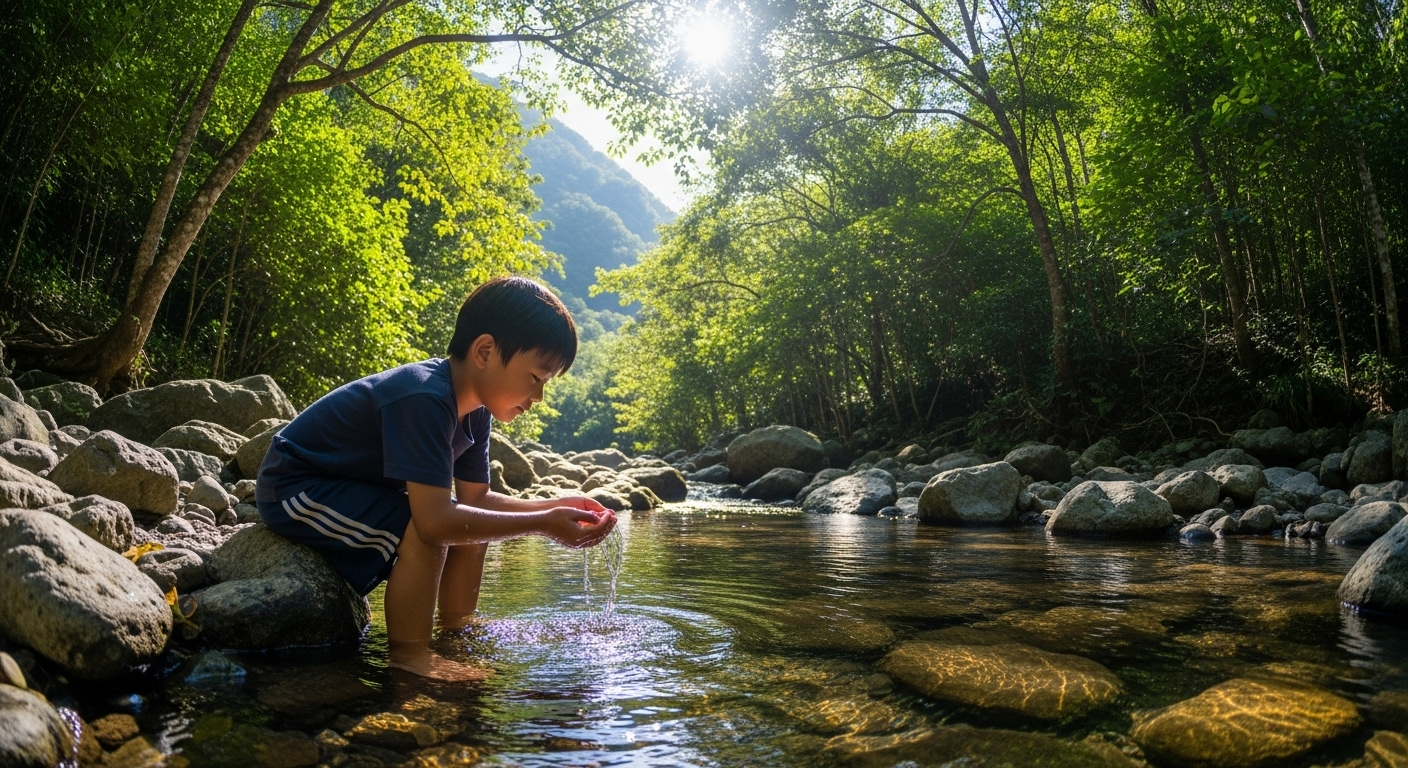
Water, the lifeblood of our planet, forms the very essence of existence, coursing through the veins of the earth and the bodies of all living creatures. Unfortunately, the significance of this fundamental resource often goes unnoticed until it becomes scarce.
From an environmental perspective to socio-economic implications, the importance of conserving water is a multifaceted discussion that is as deep and complex as the ocean itself.
As we navigate this exploration, we will uncover the profound impact of water scarcity on ecosystems, the economic benefits of water conservation, the humanitarian aspects associated with access to water, and the role of water in agriculture and climate change mitigation.
Will we dare to look beyond the surface and comprehend the urgency of this pressing issue? The answer lies ahead as we dive deeper into the wellspring of knowledge and understanding.
Why is water important for Life?

Water, the life-giving elixir, is fundamental to our existence. The human body comprises a large amount of water, and its importance cannot be overstated. Everyday activities, such as drinking water from the faucet, and larger-scale processes, like the water company supplying gallons or liters of water, contribute to our well-being.
Water is used in transporting nutrients, digesting food, and flushing waste from our bodies. That’s why drinking potable water is an essential part of our daily routine. Inadequate intake can lead to excessive use of our water reserves, highlighting the need to conserve water.
A water meter efficiently monitors usage, allowing us to use less water and conserve our water supplies. Unexpected dips in our freshwater reserves could lead us to rely on water from other sources. For this reason, saving water is important. It not only benefits us individually, but water conservation is an ecological necessity.
It enables us to maintain our lifestyle without depleting large amounts of water. So, remember every drop counts the next time you’re about to waste water. Make it a point to save even a small amount of water daily; it’s a commendable reason to save water.
Why It’s important to save water?

Preserving water is not simply about reducing utility bills or being environmentally conscious; it harbors a profound significance that impacts various facets of life.
From safeguarding our ecosystems and biodiversity to ensuring water availability for future generations, the importance of water conservation is multi-dimensional.
Below, I’ll share some key points that highlight why saving water is important.
1. Environmental Impact
Preserving water plays a crucial role in maintaining the balance of our ecosystems and ensuring biodiversity thrives, as habitats rely heavily on this invaluable resource for their survival and growth.
The importance of water conservation becomes apparent when we consider the effects of water scarcity on flora and fauna. Aquatic life, for instance, is directly impacted by freshwater availability. Both terrestrial and aquatic habitats experience drastic changes due to water scarcity, reducing biodiversity.
Water pollution further exacerbates this issue, contaminating the precious freshwater resources that support life. Water conservation efforts are key to preventing runoff and contamination, preserving our ecosystems, and ensuring the continued survival of diverse species.
2. Economic Benefits
In economics, water conservation emerges as a compelling strategy, promising reductions in utility bills for households and businesses, lessened demand on municipal water and sewage treatment facilities, and substantial long-term savings through sustainable water management practices.
By choosing to conserve water, we reduce our water bill and decrease the strain on water treatment facilities. This alleviates the water demand, allowing these facilities to operate more efficiently.
Additionally, adopting water management practices that are mindful of water usage can yield significant savings over time. Each effort to save water brings immediate financial benefits. and contributes to cost-effective and sustainable water management for the future.
3. Social and Humanitarian Aspects
Beyond the sphere of economics, water conservation holds profound implications for the social and humanitarian aspects of our lives, laying the groundwork for a sustainable future and human well-being.
It is imperative to recognize that water is a limited resource and ensure its availability for future generations. Access to clean water is a fundamental human right, directly impacting health and well-being. Water quality is crucial in reducing waterborne diseases, a testament to its undeniable link to public health.
The importance of water in emergency preparedness and resilience to climate change cannot be overstated. Our collective action in preserving this precious resource will secure our present and safeguard our future.
4. Agricultural Importance
Turning our gaze towards the agricultural sector, efficient water usage in irrigation emerges as a critical element, not only in promoting food security but also in sustaining rural livelihoods and communities.
- Efficient use of water in irrigation: This promotes optimal crop yield by utilizing water resources judiciously and reducing waste.
- Importance for food security: The use of water to grow crops is vital for food production, directly impacting global food security.
- Sustaining rural livelihoods: In many rural areas, agriculture is the primary source of income, and efficient water use is crucial for their survival and prosperity.
- Conserving water resources: By managing water efficiently in agriculture, we conserve water resources for future generations, thereby contributing to the achievement of the Sustainable Development Goals.
Understanding and implementing these points can lead to a more sustainable and secure future.
5. Mitigation of Climate Change
Water conservation plays a crucial role in agriculture and in mitigating climate change. It is essential for saving energy, reducing greenhouse gas emissions, and lessening the impact of extreme weather events. The relationship between water conservation and energy savings is undeniable.
Efforts to conserve water can save energy used in pumping, treatment, and heating. This reduces greenhouse gas emissions, as every drop saved means less CO2 production.
Efficient water usage helps to reduce the impact of extreme weather events. Maintaining water levels acts as a buffer against droughts and floods. Water conservation is a crucial key to mitigating climate change.
How to save water for Life?
To ensure the sustainability of life on our planet, comprehending and implementing effective water conservation strategies is essential. Answering why is it important to save water and how to save water for life is pivotal in this endeavor.
Overconsumption and wastage of water threaten our environment and the very essence of life. Reducing water consumption is, therefore, not an option but a necessity.
Here are some practical, water-saving strategies to start conserving water:
- Mindful Use: Be aware of the water you use daily. Small changes in habits, such as turning off the tap while brushing, can significantly reduce water consumption.
- Rainwater Harvesting: Capture and store rainwater for future use. It is an easy and effective way to save water for life.
- Efficient Appliances: Use water-efficient appliances that help to conserve water by using less than traditional models.
- Recycling Water: Reusing greywater from showers, washing machines, and dishwashers for irrigation or toilet flushing is a viable water-saving strategy.
Each drop of water saved contributes to life’s sustainability. Let these ways you can save water serve as a starting point in your water conservation journey.
Frequently Asked Questions
What Are the Economic Impacts of Water Conservation?
Water conservation significantly impacts the economy. When efficiently managed, it reduces costs for water utilities and treatment facilities, saving billions annually. This, in turn, can lower water bills for consumers, stimulating economic growth.
How Does Saving Water Contribute to the Fight Against Climate Change?
Saving water reduces energy usage, which in turn lowers greenhouse gas emissions. This contributes to combatting climate change by minimizing our carbon footprint and preserving our natural resources for future generations.
Are There Specific Regions Where Water Conservation Is More Important?
Yes, water conservation is particularly crucial in arid regions, such as the Middle East, parts of Africa, and Australia, where water scarcity is a major issue due to low rainfall and high evaporation rates.
What Are Some of the Innovative Methods Being Used to Save Water on a Larger Scale, Like in Industries or Agriculture?
Innovative water conservation methods within industries and agriculture include rainwater harvesting systems, water-efficient irrigation practices, wastewater recycling, and the application of advanced technologies. Such as AI for predicting water usage and reducing waste, which plays a significant role in environmental sustainability.
How Does Water Conservation Impact the Ecosystem and Biodiversity?
Water conservation positively impacts ecosystems and biodiversity by maintaining habitats, supporting the life cycles of organisms, and preserving the balance of nature. It prevents overexploitation of water resources, thus ensuring sustainability for future generations.
Conclusion
The benefits of water conservation are far-reaching, extending beyond simply saving money. Water is essential to life and forms a significant part of our daily routines.
When we start saving water, we are not only protecting the water available for our use but also reducing the demand for water that puts undue pressure on our water sources. From tap water to grey water, every drop counts, and every lot of water saved is a step towards sustainability.
It is high time we reconsider our indoor and outdoor water use, as irresponsible practices can lead to water wastage and disrupt the water cycle. Without water, we would be unable to pump water for irrigation, energy generation, or to maintain the precious water bodies that make up our planet.
Retaining and reusing water saves energy and safeguards our future. Indeed, water is one of our most valuable resources, and we all need to do our part to protect it.